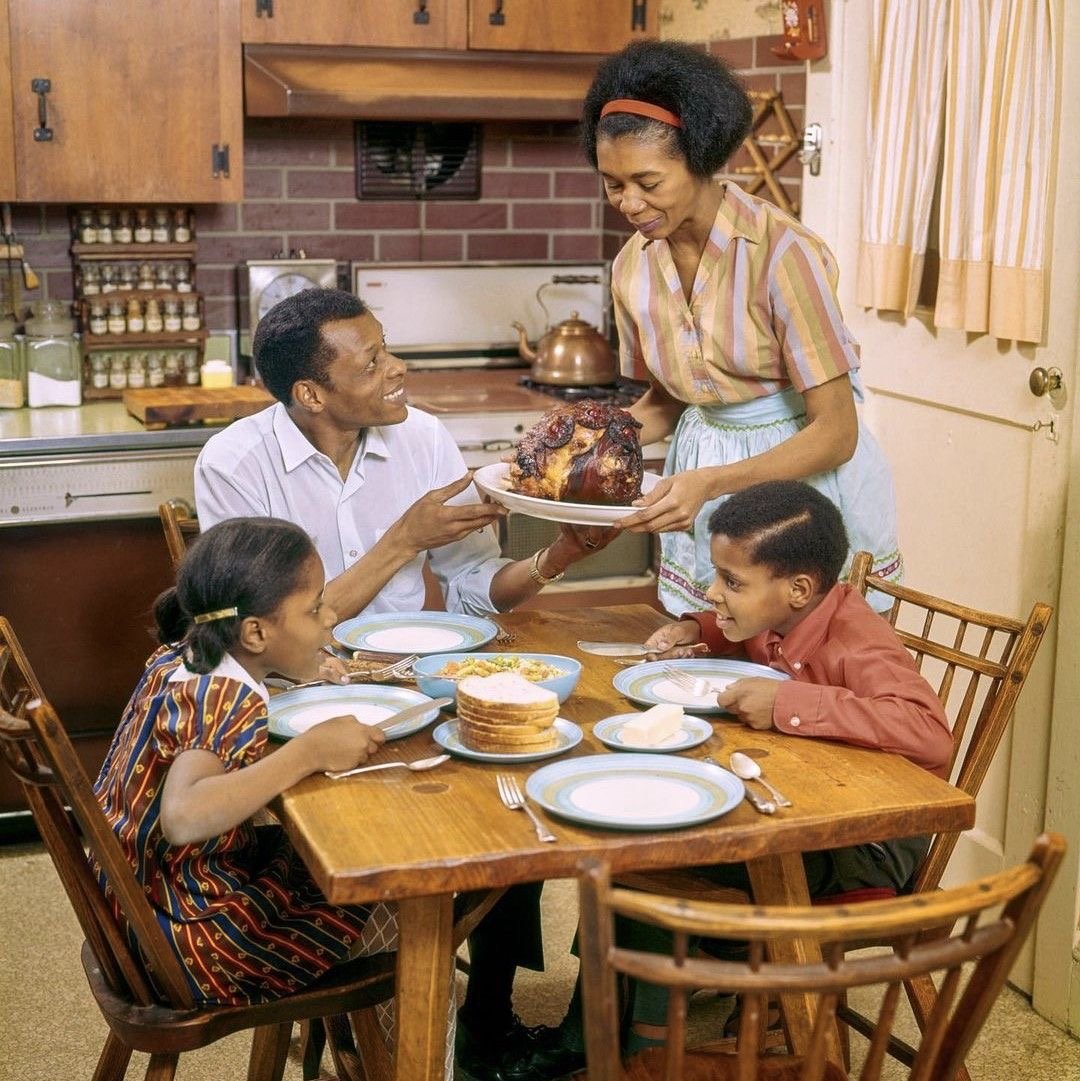
Unpacking the Table
Step away from that plate real quick and feed your mind. We are about to unpack the truth about Thanksgiving and the Black women's contribution to the holiday! (if this doesn’t hit, I’ll apologize to your Nana personally)
It’s Thanksgiving and Summer Walker’s trending yet again, not for her highly anticipated album but for a voicemail where she drunkenly asked Rich The Kid to be saved under “Pizza Hut” in his phone—he’s engaged. It feels befitting to open this conversation with a little cultural chaos because much like the humor and music discourse surrounding Walker’s rollout of Finally Over It, Thanksgiving carries its own mythology that crumbles the moment you look a little closer.
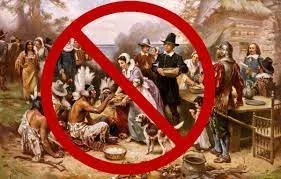
Just as fans have watched Walker rewrite her story without London On Da Track ( a stark contrast to the harmonious era that produced Over It) the story we’ve been fed about Thanksgiving smooths over a partnership that was anything but harmonious. The Plymouth colonists and the Wampanoag tribe did share a moment of harvest, yes. But unlike Summer and London’s studio synergy, their “collaboration” wasn’t rooted in amalgamation, mutual respect, or even choice. And much like Walker’s new album title suggests, the years that followed shifted the narrative entirely. The Pilgrims were spotlighted for generations to immortalize as the heroic founders of a new nation, while Native people who’d already steward this land were erased from their own story.
It simple, what we now call “Thanksgiving” has roots in violence. Several times throughout history, days of “thanksgiving” were declared after massacres of Native people. One of the earliest examples came in 1637, when Massachusetts Colony Governor John Winthrop announced a day of thanksgiving following the murder of around 700 Pequot people. Many historians cite this as the first official reference to a “thanksgiving” ceremony… a stark contrast to the kumbaya classroom stories we grew up on.
That Thanksgiving story we loved as children — myself included, though as a Black kid my excitement was always less about painting our faces and dressing in cut-up paper bags and more about my Nana’s mac and cheese and the time off school — was rooted in an incessant need for students to mimic Native American tribes. And don’t even get me started on my hometown baseball team, the Indians. It was guided cultural appropriation, never a true retelling of harmony. It was a myth covering a painful truth: prayer and feasting built on the slaughter of Native people.
Before the Feast, There Was Her
Now, when we shift to the Middle Passage and how Black Americans come to this holiday, things get even more layered. For Black people, Thanksgiving carries a different kind of weight and I ain’t talking about the numbers you see on the scale chile! We, too, recognized Thanksgiving as a distorted celebration. During slavery, enslaved people cooked lavish meals under brutal conditions only to watch their enslavers eat joyfully. The scraps: the things they wouldn’t dare serve on their own tables, became our salvation.
And at the center of that survival were Black women.
Black women were the hands that stirred the pots, seasoned the food, nursed the babies, and held together households that refused to see their humanity. They were the early culinary architects of what we now call “soul food,” turning discarded cuts and overlooked ingredients into dishes that brought comfort to people who were denied basic dignity. Cooking wasn’t just labor through food, Black women sustained not only bodies but spirits.
Imagine being in the field all day, then preparing a holiday feast you were never invited to enjoy, only to eat whatever leftovers were tossed aside. Yet somehow, through skill and ingenuity, those same scraps became cornerstones of our tradition. Chitlins, collard greens, candied yams, cornbread, turkey necks, rice pudding, etc. weren’t just meals — they were survival stories. They were the flavors of community. They were the heartbeat of the quarters.
In many enslaved families, the Black woman was the matriarch long before we called her Big Mama or Nana or Madea. She was the glue. Holidays, even when they weren’t recognized as holidays for Black people, became moments where she created tiny pockets of joy in the midst of terror. She fed whole families off scraps the way she fed entire generations of strength she was never credited for.
“Be present in all things and thankful for all things”
Black women made Thanksgiving a cultural touchstone long before it was ever something we claimed out loud.
A Black Women Thanksgiving in Film
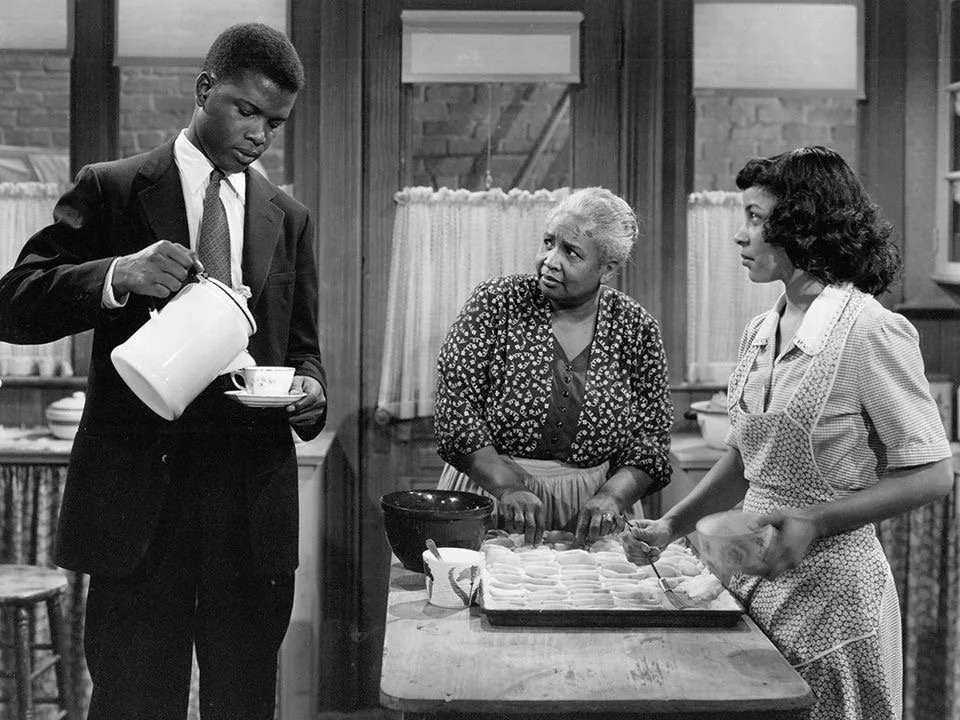
When we shift from the real kitchens of Black women to the way their labor shows up on screen, the story gets even more complicated. Hollywood has always known the power of a Black woman in the kitchen…maybe a little too well. For decades, film has pontificated, exaggerated, and packaged Black women’s contributions into tropes that were easy to consume but rarely accurate. We’ve seen the Mammy archetype: the loyal, apron-wearing caretaker who cooks, cleans, and comforts everyone except herself.
A brief intermission for the heavy negro sigh…recycled like a worn-out recipe card
From early cinema all the way through mid-century film, this character was framed as nurturing but never fully human, always serving but never served. And yet, behind that flattened image was a truth Hollywood refused to tell: Black women held entire communities together through food and wisdom a strength that deserved more than a caricature.
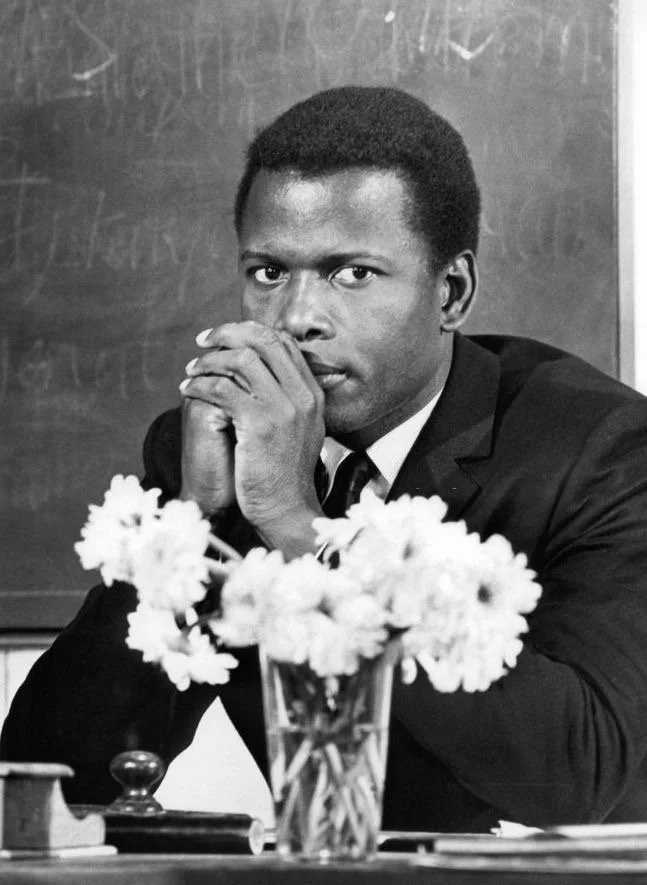
Then came films that tried to peel back the layers. When Sidney Poitier appeared in Guess Who’s Coming to Dinner, or when Imitation of Life introduced the complexities of Black mothers we began to see glimpses of the real emotional labor Black women carried.
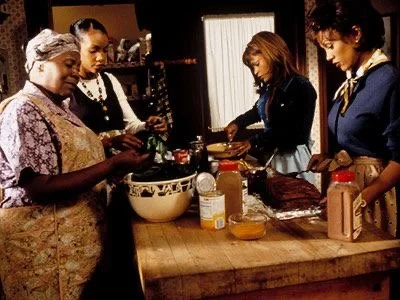
And then, Soul Food changed the game (at least for me when it came on late at night on BET) With Big Mama at the center, Soul Food gave us a matriarch who wasn’t a stereotype she was a mirror. Her children our make believe aunties in our heads and her grandson a true manifestation of the love we had for our own grandmothers wrapped the Black community like a quilt knitted from our ancestors. Big Mama was a woman who fed her family with her hands and held them together with her heart. Her Sunday dinners weren’t a backdrop; they were the story. The kitchen was her domain, not because she was expected to serve, but because it was where she transformed struggle into nourishment, chaos into communion, leftovers into legacy.
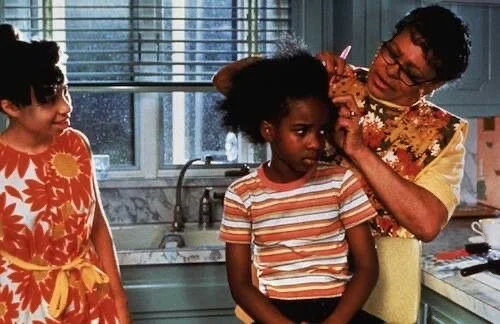
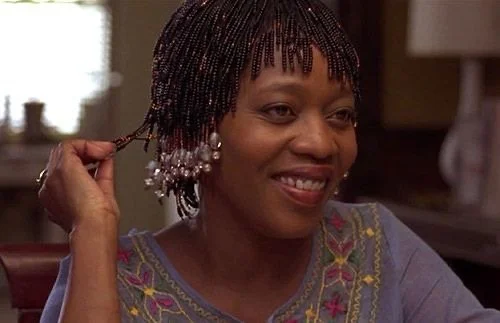
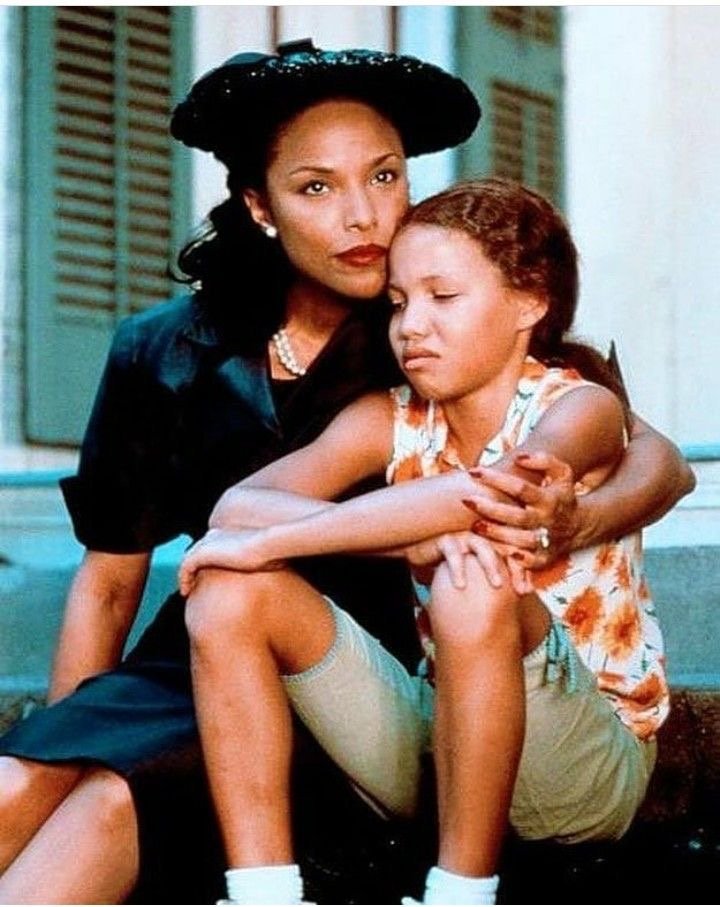
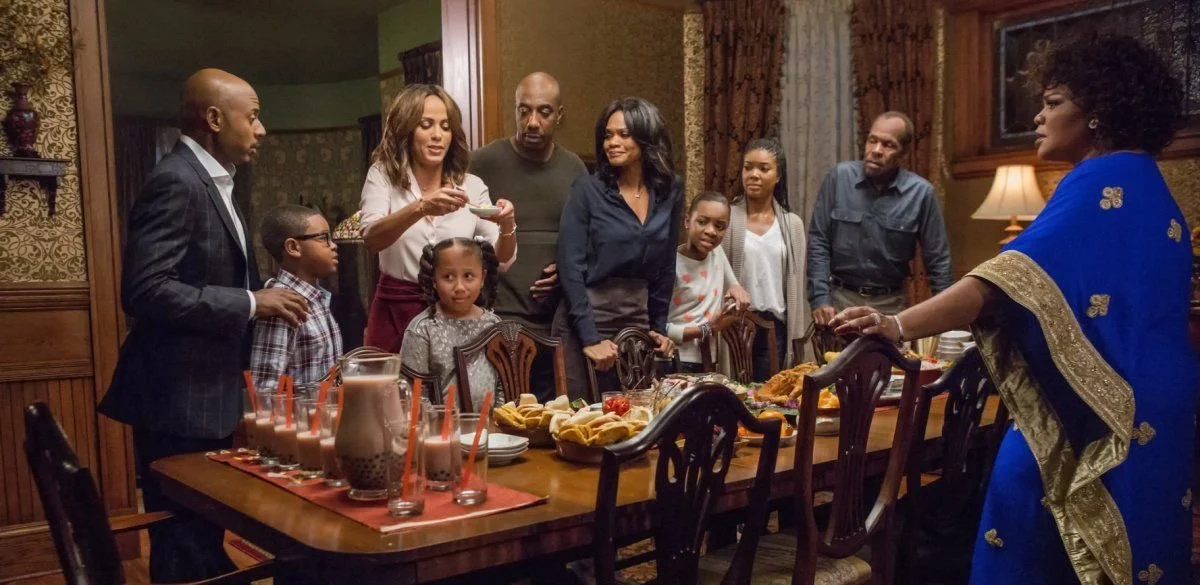
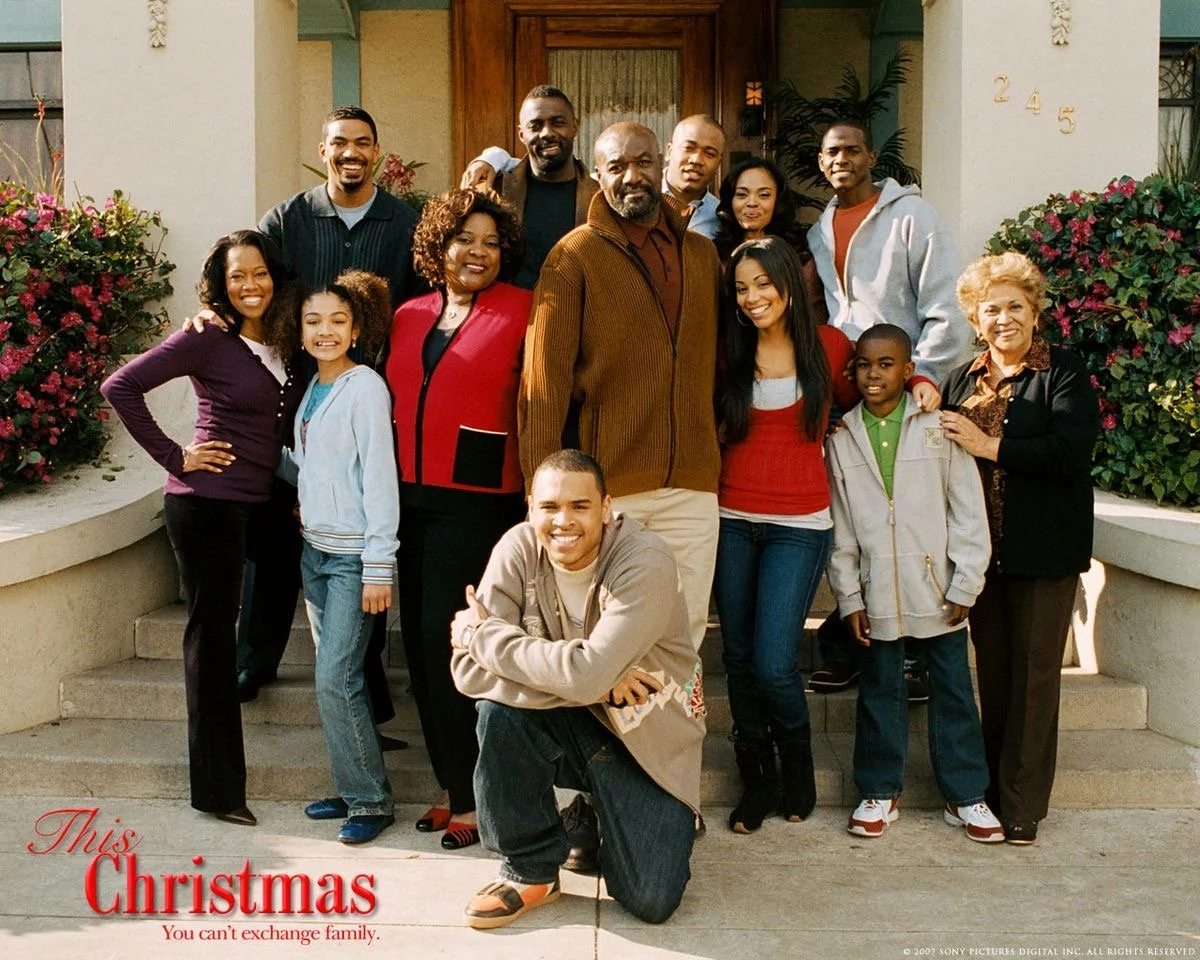
Films like Crooklyn, Eve’s Bayou, Almost Christmas, and This Christmas continued the work, showing Black women not just as cooks, but as creators, disciplinarians, nurturers, visionaries the architects of their home. Through film, we’ve watched the cultural idea of the Black matriarch evolve. The industry has exaggerated her, misunderstood her, even mocked her but one truth always survives the script: Black women are the heartbeat of the household and every on-screen kitchen we’ve ever loved began with the real ones they kept alive.
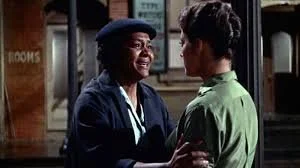
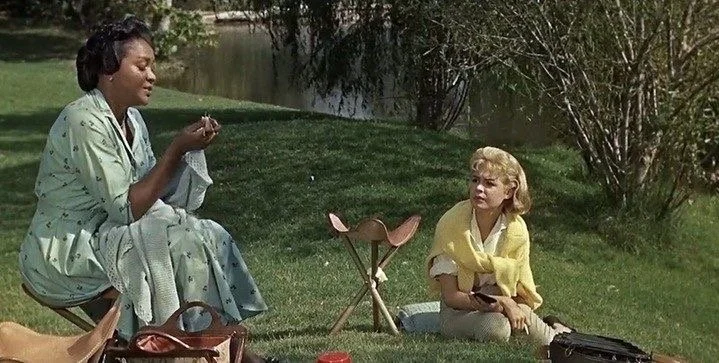
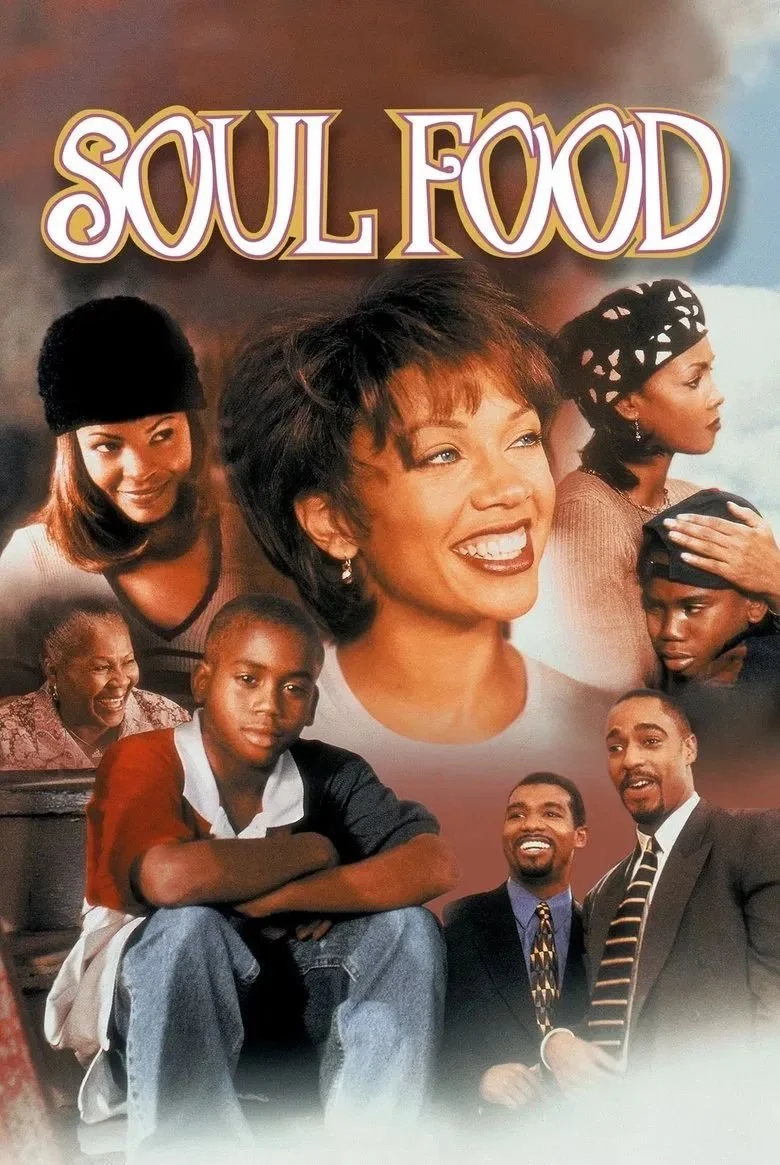
Today, Black Americans are working to dismantle these tropes and reimagine the traditions attached to them. Big Mama would want the family together, yes — but she’d also want us happy. So if your nosy aunty starts getting a little too invested in your life, return the shade and pay her dust. And if cousin’nem asks you to step out for “that walk,” go ahead and go! I promise Mama will understand.
This holiday season, we’re gathering with intention and feasting with purpose. So if you need to save that man’s name under “Little Caesar’s,” do it. It’s Thanksgiving! Have your cake and eat it too. Sike nah… no more listening to Summer Walker or cousin faith for that matter chile
To all my readers: Happy Thanksgiving!

Erasing Ida B. Wells
Ida B. Wells’ omission from the NAACP’s Founding Forty.
Young Thug and the “snitch wars” of Atlanta have practically swallowed the Black media landscape. I am not someone who’s ever engaged in street politics, yet somehow I know far more about why YSL member Woody “ratted” and why Gunna “didn’t stay true” than I should. That fact alone speaks volumes about what is being force-fed into Black discourse. The endless cycle of jail phone calls, court transcripts, and TikTok commentary has become the dominant conversation, a digital soap opera. And it makes me wonder: does this generation know as much about the history of the NAACP as it does about Atlanta’s rap beefs?
That, readers, is the new-age cakewalk.
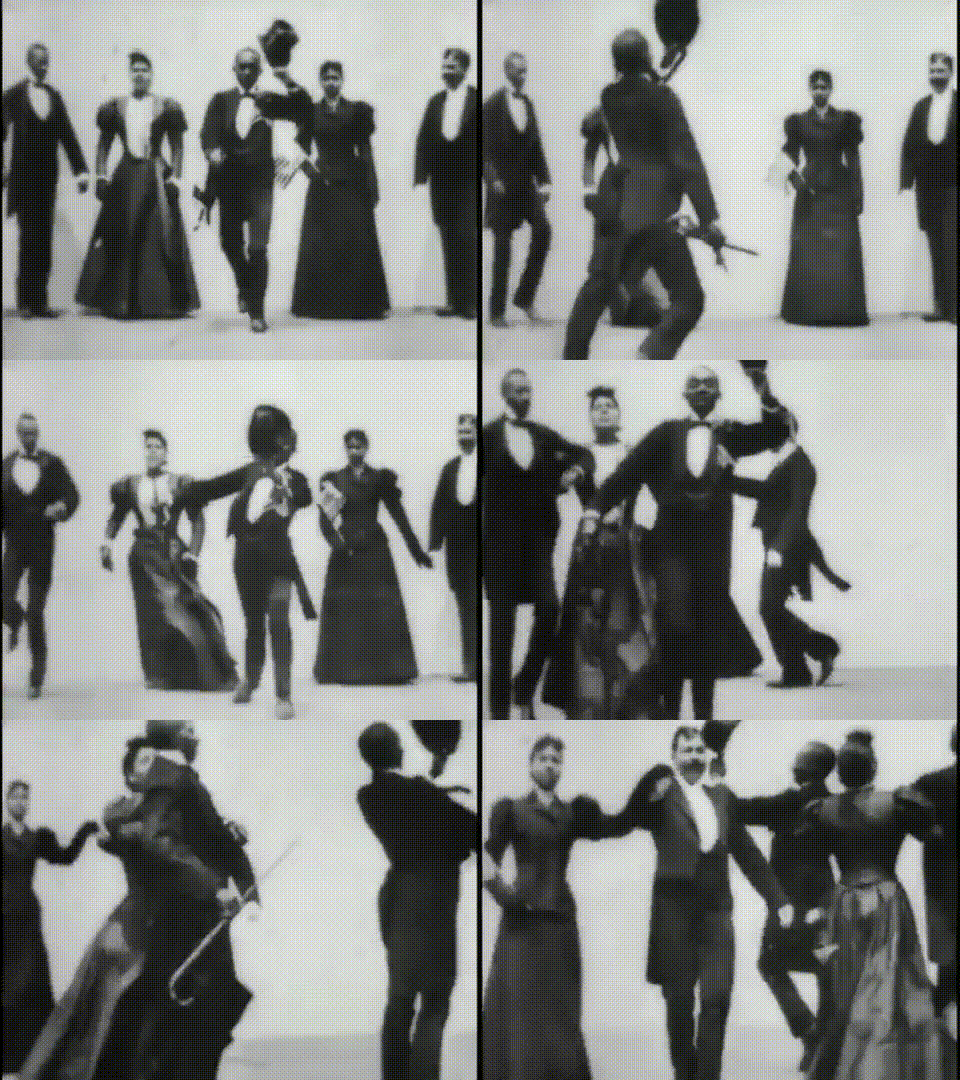
The “cakewalk” was a dance created by enslaved Black people, a satirical performance mocking white elites. Ironically, it was appropriated by white audiences who consumed it as entertainment, never grasping its deeper critique. Today, we are living in another iteration of the cakewalk: spectacle over substance, distraction over history. But let’s step down from the trending cycle for a moment and turn to a different exclusion that has shaped Black political life for over a century — Ida B. Wells’ omission from the NAACP’s Founding Forty.
The Founding of the NAACP
The NAACP was founded in 1909 by a coalition of Black intellectuals and white abolitionist allies committed to racial justice. Among the early organizers were W.E.B. Du Bois, Ida B. Wells, Mary White Ovington, and William English Walling. At its inception, critics immediately questioned why so many white progressives were granted leadership positions in an organization ostensibly dedicated to Black liberation. As Audre Lorde would later remind us, “The master’s tools will never dismantle the master’s house.”
Du Bois himself was the only Black person on the NAACP’s executive board — a board that controlled finances, decision-making, and public strategy. This meant the organization’s earliest direction was shaped by white liberals and socialists, not the very people it claimed to serve. Wells, who had built a fearless reputation as a journalist and anti-lynching crusader, knew the dangers of such compromises.
Ida B. Wells and the Founding Forty
The NAACP’s “Founding Forty” ceremony was designed to cement the names of the nation’s most radical thinkers of the era. Wells was told by Du Bois that she would be included. Yet, on the day the names were read aloud, she was excluded…her place replaced by Celia Parker Woolley, a white suffragist and friend of Du Bois.
Wells was outraged. She protested in real time, her voice rising against the erasure. Du Bois hastily reinserted her name, but by then the damage was done. Wells refused to align herself with an organization that had made her expendable. For her, silence in the face of erasure was complicity. She understood — even then — that visibility without power was just another performance of inclusion.
Zora Neale Hurston once wrote, “If you are silent about your pain, they’ll kill you and say you enjoyed it.” Wells’ protest was not simply personal; it was political. She knew the erasure of Black women’s voices would become a pattern in movements led by Black men seeking validation from white power structures.
Kanye West — yes, I am fully aware of his rhetoric as of late — once rapped,
“they made us hate ourselves and love their wealth.”
This lyric came nearly a century after Wells’ erasure, but it resonates with the same critique: many Black men of the early 20th century pursued validation through capitalism, prestige, and proximity to whiteness, often at the expense of Black women’s leadership.
Respectability Politics, Bourgeois Alignments, and the NAACP
Du Bois’ decision to replace Wells with Woolley was not an isolated incident; it reflected the NAACP’s deeper alignment with respectability politics and bourgeois values. In an era where Black men often sought recognition through proximity to white institutions, Black women’s leadership was treated as negotiable — their brilliance minimized in favor of respectability and male authority.
This alignment has had lasting consequences. The NAACP’s dependence on white funding and political connections created a structural vulnerability that still echoes today. Consider the Rachel Dolezal scandal of 2015: a white woman leading a chapter of the NAACP by masquerading as Black. That she could slip through the cracks underscores a troubling truth — that whiteness, even in spaces built for Black advocacy, has always been afforded legitimacy that Black women are forced to fight for.
No NAACP Without the NACWC
Here’s what history often forgets: there would be no NAACP without the groundwork of the National Association of Colored Women’s Clubs (NACWC). Founded in 1896 under the leadership of Mary Church Terrell, the NACWC laid the intellectual and activist foundation for the NAACP. Its motto ,“Lifting as we climb”, was the earliest articulation of what we now call racial uplift, the belief that education and activism could dismantle systemic racism. When the NAACP was formed in 1909, Terrell herself became a charter member. Yet the organization rarely acknowledges how much it owes to Black women’s labor, organizing, and vision. Without them, the NAACP would not exist. And yet, like Ida B. Wells, their contributions are often sidelined, rewritten, or silenced.
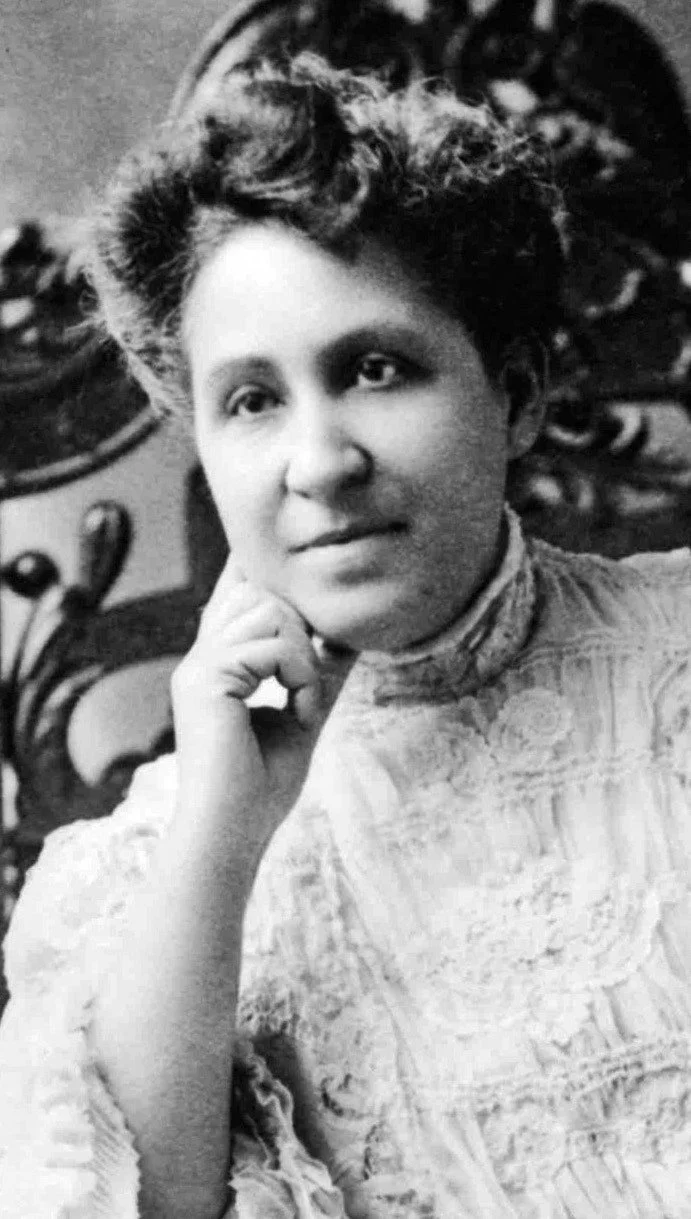
Thee Mary Church Terrell
The exclusion of Ida B. Wells from the Founding Forty was not an accident; it was a blueprint. It set the tone for how Black women’s leadership would be contested…rewritten in movements supposedly committed to liberation. As we consume the latest digital cakewalk — Atlanta rap trials, TikTok gossip, or whatever spectacle trends next — we must resist the cycle of distraction. To truly honor Wells and the women who built the foundation of our institutions, we must interrogate not only who is remembered, but also who is deliberately forgotten.
Because without Black women, there is no freedom struggle. And without Ida B. Wells, the NAACP’s story is incomplete.
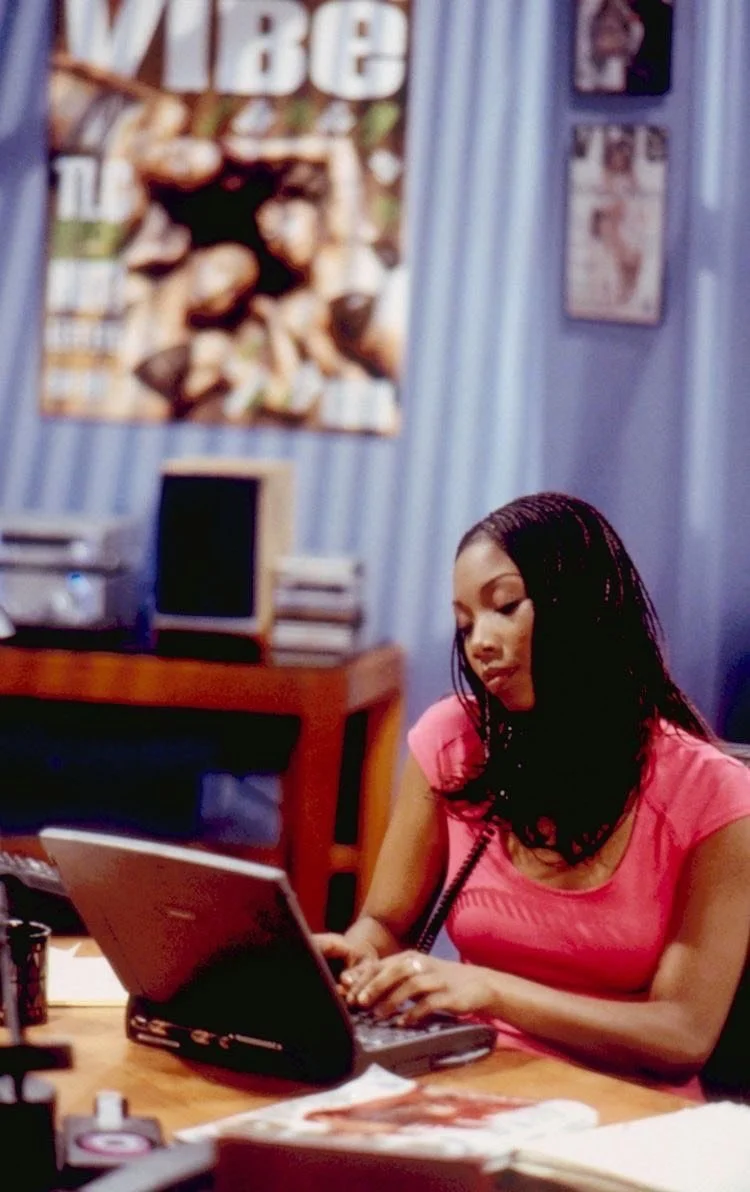
So I Lied…
A white lie is a small, insignificant lie told to avoid hurting someone’s feelings or causing trouble. Yet I am a Black woman so when I speak, it is never insignificant. Cue *Moesha theme music*
A white lie is a small, insignificant lie told to avoid hurting someone’s feelings or causing trouble. Yet I am a Black woman so when I speak, it is never trivial. When I said, “I have had sex before,” when in fact I was (am) a virgin, or “No, I’m okay,” when I, in fact, was not it was all the stitching of the cloth I used to ingratiate myself.
That cloth kept me warm most nights (even in the clutches of 3rd Ward heat) It brought laughter from others that became friends. What I didn't realize then was that it cast a shadow over who I really was, creating a falsehood of belonging. A performance of closeness. A version of myself tailored for their comfort. I thought my friends would somehow connect with me more…if I, too, had shared my body before my mind. Only then would I be worthy enough to bear witness to their tears to be the guiding presence in their ruined psyche scorched by lust before love. So I’d lie and say “Girl my ex did that too, you have to…” The offering of my fabricated advice made me feel special…I truly believed that if I wore the same stories, shaped the same experiences that I’d be more accepted. But in return, I felt hollow. They didn't know me. Our closeness was built on a lie masquerading as a perfect bow bonded by sisterhood, but fastened with fabrication.
I lied so much I didn’t know who I was anymore hell neither did the men I dated. I couldn’t express who I was, so I let their temptations, their ideas of me,
reshape my reflection. I didn’t care much for real courtship or the surface-level questions about my interests…because truthfully, I didn’t know how to answer them.
Compliments became a substitute for connection. “He said I’m pretty… so that must be enough.” or “He held me a little longer when I fell into his fantasy.”
Because that’s what I was: a fantasy. He didn’t like me—he liked how I looked.
And maybe that was easier, because I didn’t like myself either. So I welcomed the love bombing. But the attention I received could never substitute for the acceptance I truly needed. And so the more I lied, the more I lost myself. Until one day, I realized: I’ve never really been seen.
To my readers, this blog isn't just about sex. It’s not even just about the lie. It’s about why I thought the truth wouldn’t be enough.
But it is. I’m learning to live without the bow. To speak without stitching myself up in expectations. To be known without performing and maybe that’s the scariest kind of honesty.
To admit what I’ve never done without shame. To show up whole, not hollow. And maybe not everyone will stay. But for the first time, I will.
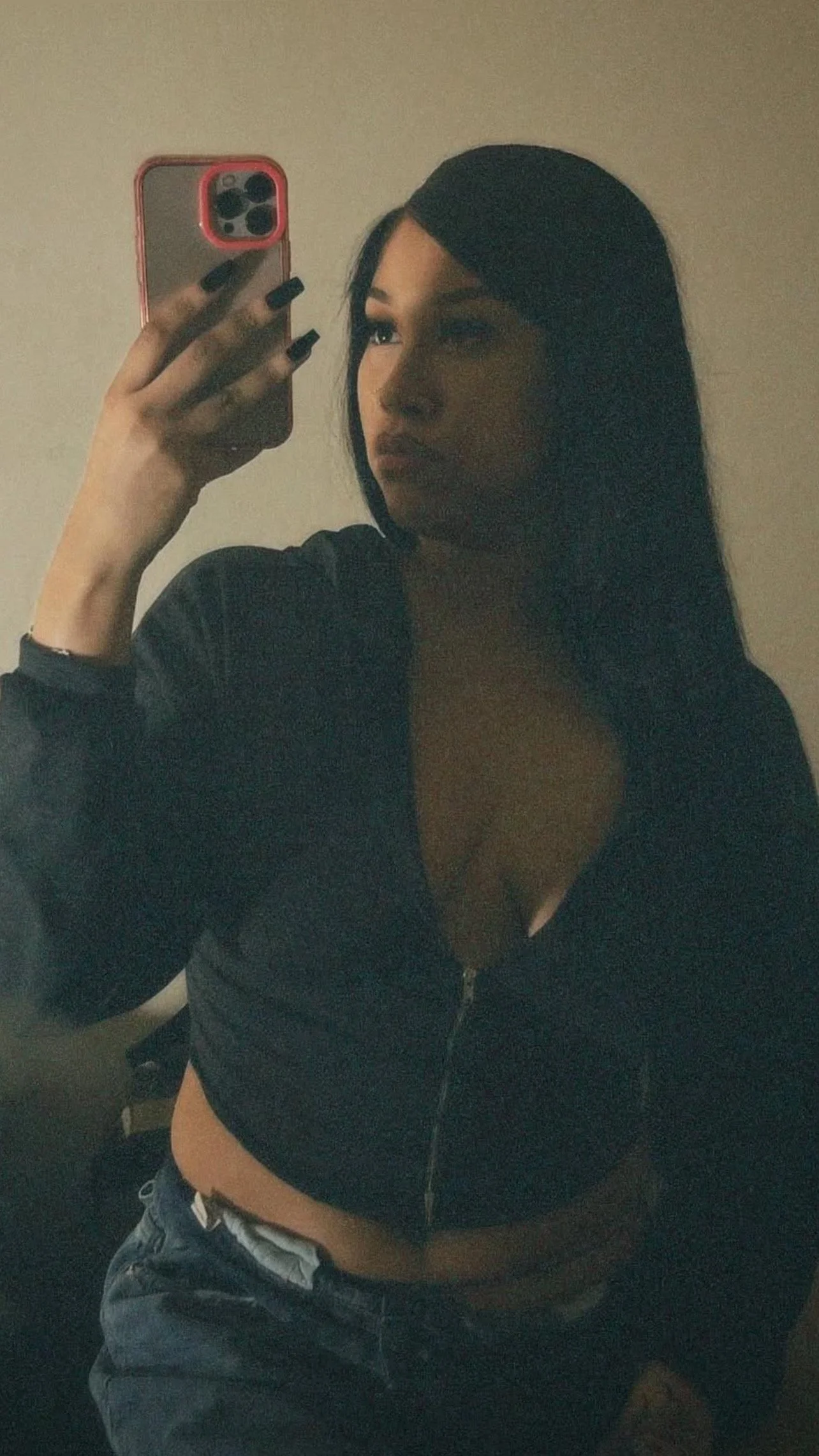
I often look back on this photo and laugh because if she could see me now she'd be petrified we are now everything she was too scared to be: free, unapologetically.
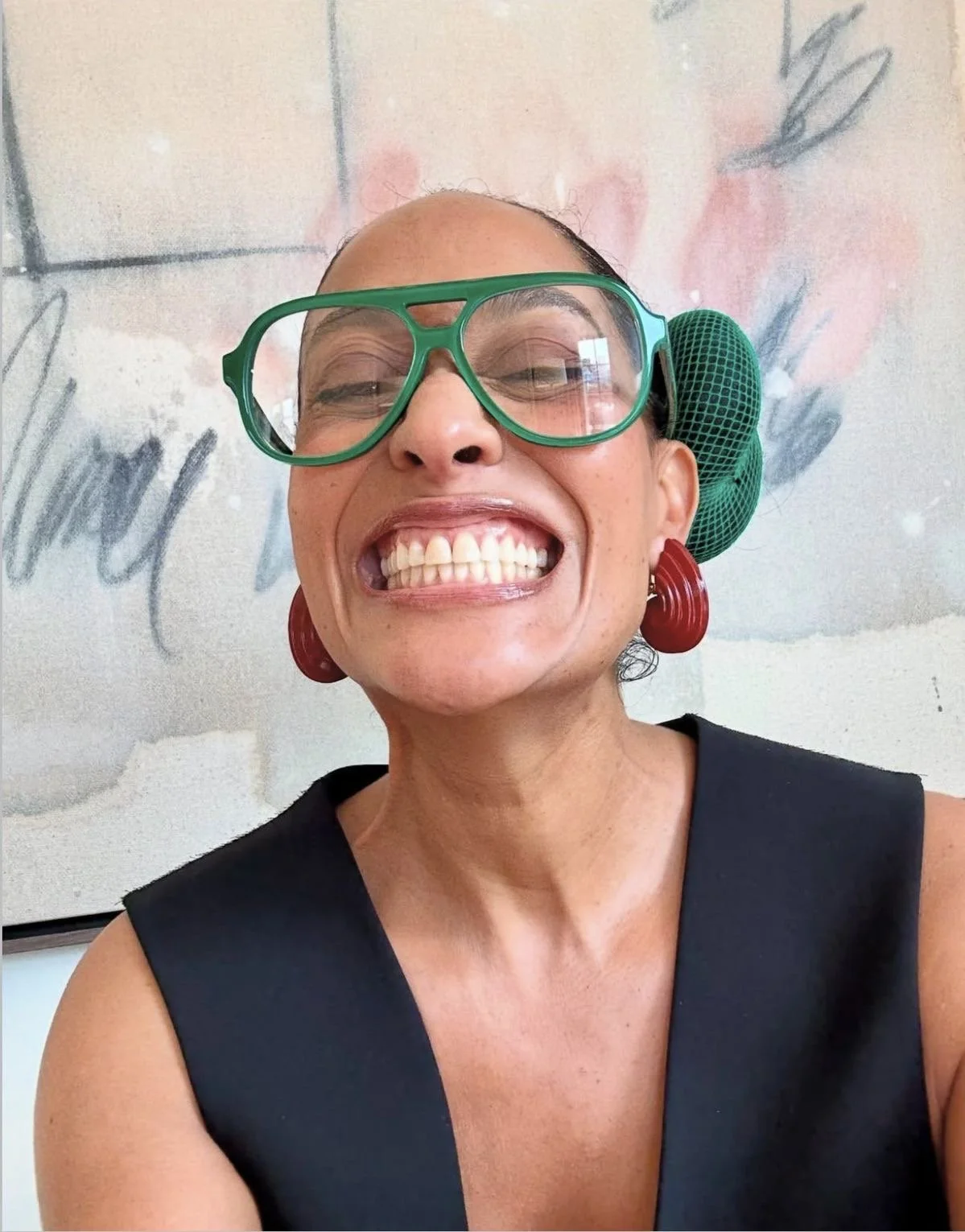
Solo Travelin’ With Tracee Ellis Ross
There is a disparate difference between feeling lonely and experiencing bouts of sadness, yet intimately they are sister realms of discomfort in oneself.
There is a disparate difference between feeling lonely and experiencing bouts of sadness, yet intimately they are sister realms of discomfort in oneself. Loneliness feels like an absence, a vacancy where connection once lived or where we desperately want it to exist. Sadness, however, is a flood, a heavy tide that rises and falls whether we are alone or in the company of others. Both can feel isolating, both can sting, but they are not the same.
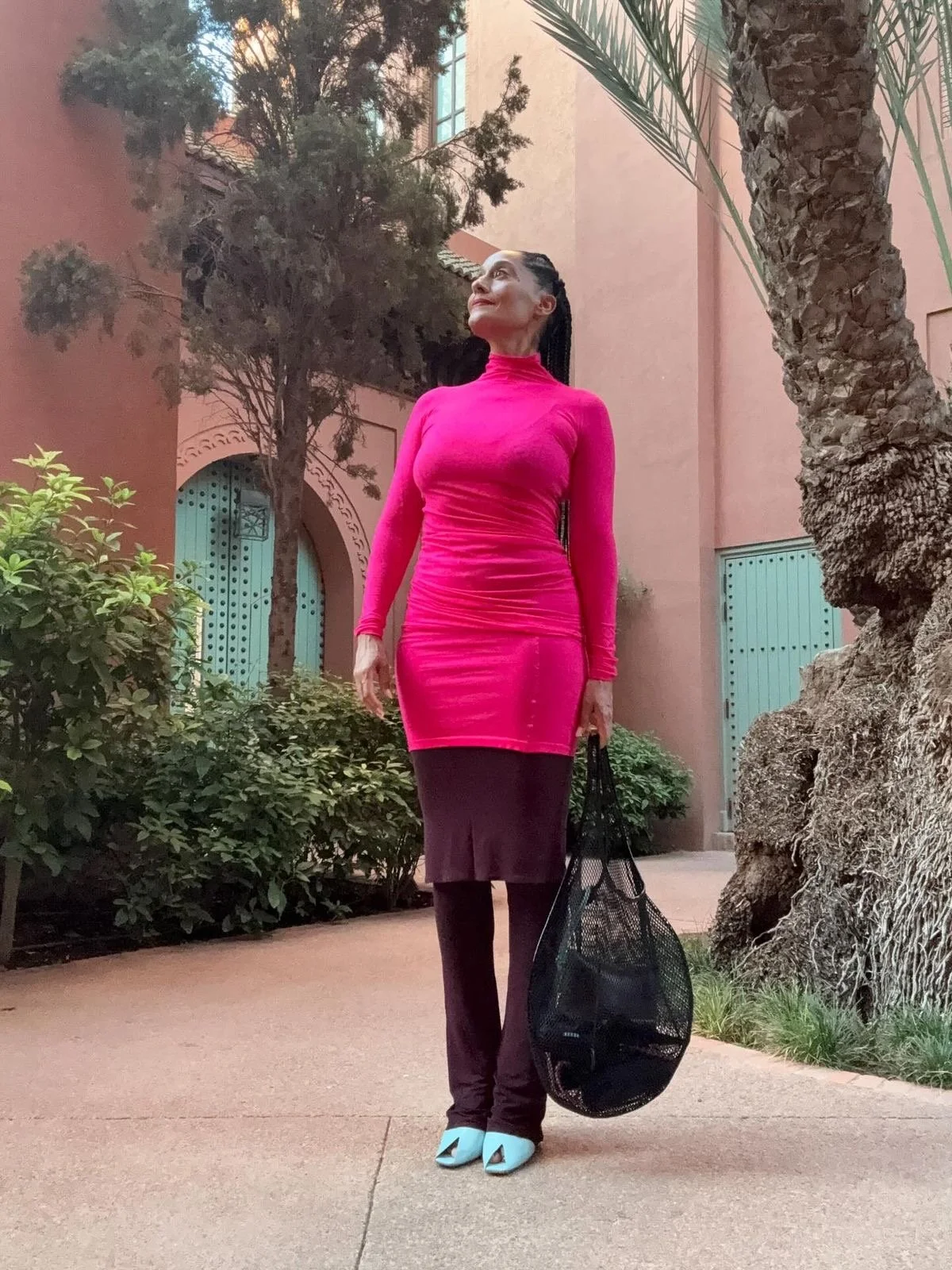
I’ve been watching Solo Travel with Tracee Ellis Ross on Roku, and it’s had me contemplating what singlehood means to me, how I hold it now, and how I want it to unfold in the years ahead. At 18, being single was about awaiting the moment I wouldn’t be. Every swoop of my baby hair or precision in the switch of my hips was a concentrated attempt to not be single anymore. But the older I get, the more I realize that singlehood isn’t something to escape: it’s something to inhabit. It’s less about proving myself to someone else and more about discovering the fullness of who I am when no one else is in the frame.
In the show, Ross reflects on the beauty and courage of stepping out into the world on her own—her first solo trip being just at the ripe age of 24. Just one year younger than she was at the time, I’ve felt a similar calling, as if her show was whispering an invitation directly to me.
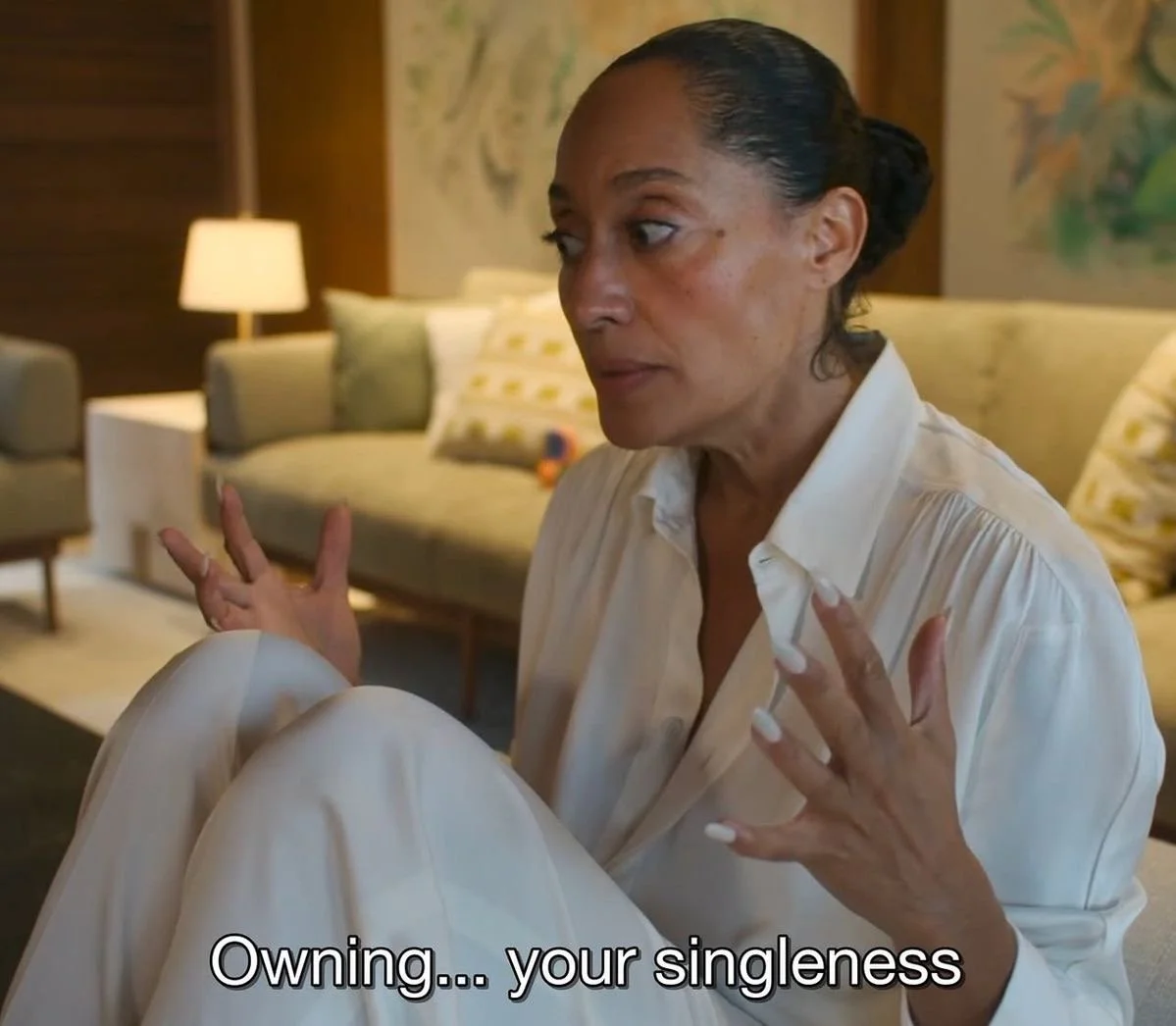
What I love about Ross’ storytelling is that it doesn’t glamorize solitude, nor does it frame it as something to be pitied. Instead, she treats traveling—and living—alone as a practice of becoming more acquainted with yourself. She honors solitude as a space of curiosity, joy, and freedom, while also acknowledging the edges of discomfort that come with being your only company. It’s not about running away from relationships or community, but about learning to savor your own presence.
Watching her wander cities, try new foods, laugh to herself, and lean into wonder reminded me that singlehood is not a waiting room for partnership. It can be an expansive, intentional chapter in its own right. For me, singledome doesn’t need to be framed as “lack.” Instead, I want it to manifest as exploration—of place, of self, of the many versions of me that I might not discover in the shadow of someone else’s expectations.
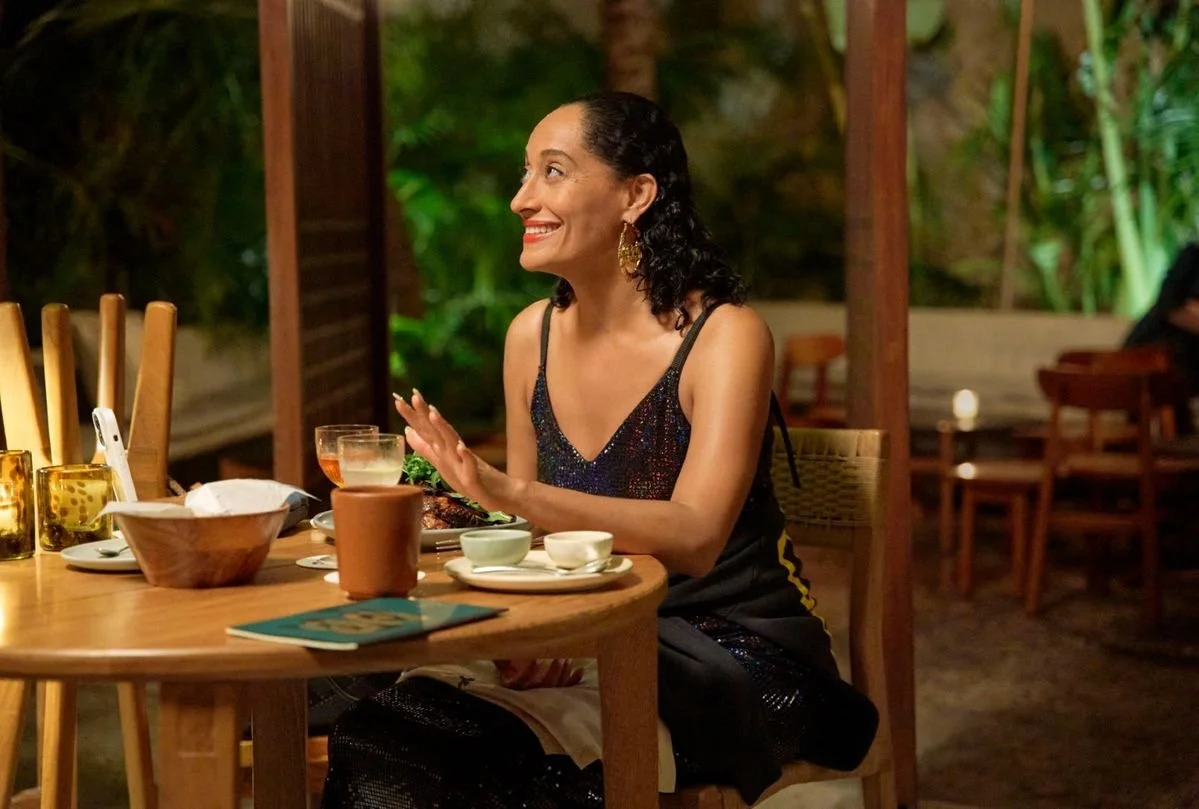
And so I hereby pledge, as the sole proprietor of HoneyTeePot, to solo travel right here in Cleveland—locally, until the funds permit—just like my sis Tracee. I want to explore the beauty in my own backyard, whether it’s biking the Towpath Trail that stretches from Tremont to Ohio City or digging into Korean BBQ in the boroughs of Coventry. I want to know what it feels like to truly adore my city without depending on the company of others. And if y’all are really in this for the long haul with me, you won’t let me do it alone.
Stream Solo Travel with Tracee Ellis Ross on Roku and let it inspire your own journey.
I’ve Got D.C.’s Back. Period!
I’m not fearmongering chile, just off a bottle of riesling and ready to set the Trump administration ablaze!
James Baldwin once said: “To defend oneself against a fear is simply to insure that one will, one day, be conquered by it; fears must be faced.” Fear is often tied to ignorance. It is Trump’s fear—fear that the illusion of white superiority will be exposed—that fuels his ignorance of America’s natural construct: racist paradigms repackaged into force-fed lies of Black incompetence, socially and politically.
Washington, DC has become, for many days now, a cesspool for Trump’s malicious deployment of over-policed violence. The push to reduce crime in large cities is not unusual, but Trump’s approach is not only racially biased—it’s reckless. He has, on his own accord, run a militia against the city itself. Unlawful vehicle checks, over-patrolling of neighborhoods, and heightened surveillance at events where Black and Brown people gather have become routine. Meanwhile, the U.S. military has been absurdly deployed not only around DC’s monuments but even outside the Smithsonian’s National Museum of African American History and Culture—a museum whose exhibits are designed to educate about white supremacy and its role in keeping America’s capitalist heart beating.
Trump’s reaction is telling: he fears the exposure of this truth. He frames it as a threat to “white culture” rather than acknowledging that this very culture (he so covets) is contributing to the country’s decay. The White House website, under his direction, has attacked marginalized communities by attempting to discredit the Smithsonian’s credibility, labeling its exhibits as biased propaganda. This attempt to portray the museum’s honest reflection on America’s racial and gender struggles as an attack on white people is not only duplicitous—it’s dangerous. Public platforms like the White House should elevate knowledge, not wage warfare against truth.
Trump often delivers these hate-filled speeches via Twitter, amplified by allies like Elon Musk. Throughout his presidency—better yet his entire life—the message is consistent: the left is tyrannical, while he positions himself as a martyr for “the American people.” It’s a grotesque inversion of reality.
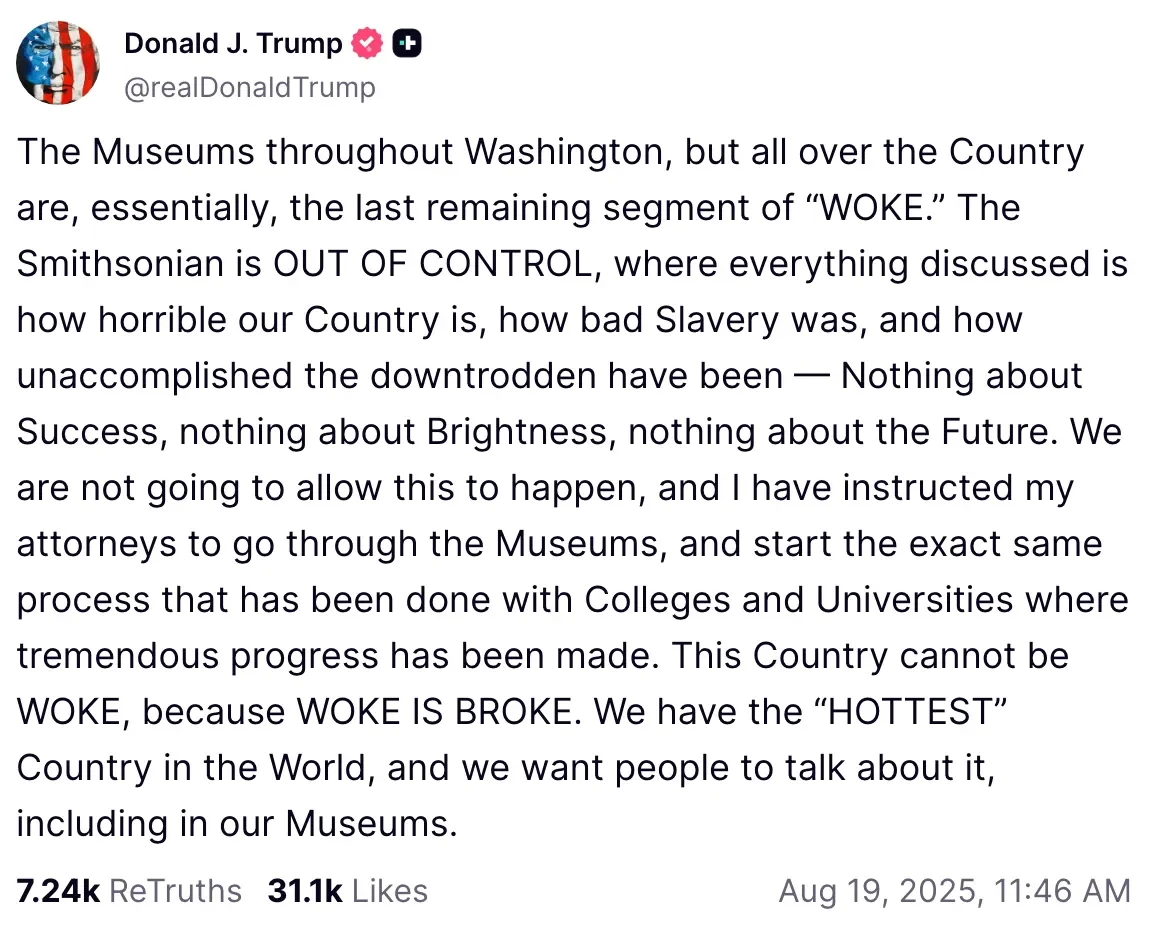
On Tuesday, Trump condemned segments of the Smithsonian as “too woke” and vowed they would not be allowed. The term “woke” has long been weaponized against Black and Brown thinkers, twisted into a label of radicalism. In reality, to be woke is to see clearly—the society we live in, the history of our ancestors, and the legacies of slavery and subjugation. Being woke is not radicalism; it is enlightenment. Trump’s directive to the Smithsonian to “celebrate American exceptionalism, remove divisive or partisan narratives, and restore confidence in our shared cultural institutions” is an urgent plea for censorship—a redacted history, a controlled narrative that erases uncomfortable truths.
This drive to erase and rewrite is grueling, especially in the context of attacks on financial aid, government benefits, and social programs. It is an attempt to not only silence free thought but to fracture bipartisanship. History provides stark reminders: tyrants like Hitler began their campaigns with isolation, labeling, and fear-mongering. Today, Trump labels cities like DC as overrun by violence and homelessness, masking systemic racial domination as civic failure.
Same hatred. Different characters. Yet the hysteria is all the same!
It is disheartening to consider the world we are shaping for our children…one where their freedom to grow, question, and be seen is constrained by fear-driven policies. Even if Trump is not reelected, the divisions he has sown may linger for generations. We are, undeniably, a nation fractured.
To read more about this issue, check out NPR’s coverage: Trump vows to expand his review of U.S. museums. Can he do that?
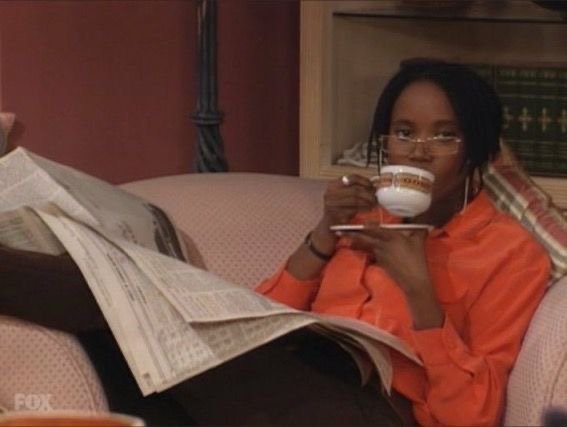
This Industry Wasn’t Made For Us. But It Was Made About Us.
FUBU — For Us, By Us.
Yet somehow, they don’t want to recognize us.
From beauty to music, slang to style, Black culture especially the voice of Black women has long been the blueprint for advertising and marketing. Yet when I walk into boardrooms or brainstorms, the people shaping those narratives rarely reflect the communities they’re selling to.
As a strategist and creative, I’m constantly asked to speak to what’s “trending,” to help brands connect with culture in ways that feel fresh, authentic, and now. But here’s the truth: we’ve always been the culture. What’s trending is us.
Now that I am moving through this industry as a Black woman, I believe it is my duty to help reconstruct a space we were never given a seat at. To reimagine who gets to tell the story, who it’s for, and how we shift from being used by media to owning our role in shaping it.
You may ask, how can we do such a thing?
It starts with you, knowing your worth and knowing who you are. Working in these corporate spaces can take up the majority of your day, but it’s important to know when and where to contribute your thoughts and ideas.
Crave Your Own Lane
Here’s something I had to learn early on: your 9–5 doesn’t define you. Especially in media, where creativity, passion, and cultural fluency live beyond job titles and office hours. But you should also feel fulfilled from the work you do! It’s okay to pivot, start over, or even leave if the work your doing doesn’t align with your purpose/passion.
It’s also important to find joy and purpose outside of the brand decks and brainstorms. Whether it’s curating a playlist, designing mood boards, documenting your city through photography, or writing your own stories, do the thing that lights you up, even when no one’s paying for it…
(yet lol).
That’s where your voice sharpens. That’s where you remember why you started.
Because the truth is media isn’t linear. There isn’t one right way to enter, to grow, or to lead in this industry. So carve your own lane. Build what you wish existed. Create like your community is watching because they are.
And don’t let them make you feel like you’re unqualified just because you don’t speak in marketing jargon or don’t have a deck-ready “insight.” Strategy isn’t just about buzzwords it’s about perspective. It’s about understanding people. And nobody does that better than us.
Now Take People With You
The most powerful thing that I’ve learned? I don’t have to navigate this alone. Find other Black creatives, spaces, and curators that have the same values as you and collaborate! I’m currently in a state of building for longevity in this industry, and I believe the only way to achieve that is through collaboration and community.
One of the biggest advice I took from our homegirl ISSA DEE (lol), is to network across and not ahead.
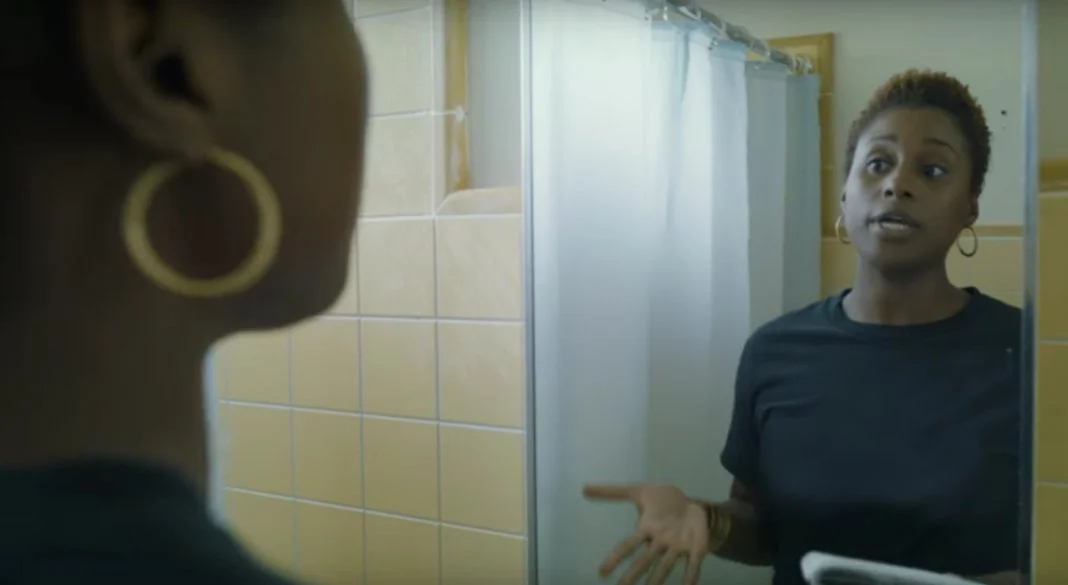
If you want to start a business, reach out to other creatives grinding in your space, people who are building alongside you, not just those at the “top.”
If you want to create a podcast, connect with other creators who are figuring it out in real time.
If you want to start a label, link up with artists and producers who are actively creating, making moves day by day.
If you want to create a festival, reach out to local event organizers and creatives who already know how to bring people together.
Networking across means building your circle with people who get it because they’re living it too.
Now Actually Do The Thing That Scares You
I know sometimes it can be scary to start over, pivot, or just take a risk. But I remember someone once told me, “The dream you’re most scared of pursuing is the one you’re supposed to be chasing for the rest of your life.” I’ve been living by that motto ever since. It’s so true when you think about it, right?!
So if you're feeling nervous or unsure right now, that might actually be a sign you're on the right track. Fear doesn’t mean stop it just means it matters. Chase the dream anyway.
Or maybe you're in a place where you don’t know exactly what your dream is yet but you do know something needs to shift. That’s totally okay. I truly believe your talents and gifts are tied to your purpose, and your purpose is deeply connected to your dreams.
So start small. What’s something you’re naturally good at? What’s something you lose track of time doing? What’s something people always come to you for? That’s usually where the clues are hiding.
And Here’s the Bigger Picture
When you do the thing that scares you, when you choose purpose over comfort, you’re not just changing your own path you’re changing the media industry from the inside out.
Because every time a Black woman steps into her voice, her vision, and her power, she disrupts the systems that were never built with her in mind. Every risk you take to be seen, every pivot you make toward alignment, is part of the reconstruction.
We’ve spent so long being positioned as the “target audience.” It’s time we shift the narrative from being marketed to, to being the ones shaping the message. From being the culture, to owning the table where culture is defined, distributed, and valued. Reconstruction starts when we stop shrinking. When we show up fully. When we write, direct, produce, strategize, design, and build media that actually reflects the communities it claims to serve.
So, yeah, do the thing that scares you.
Because it might just be the thing that frees somebody else, too.
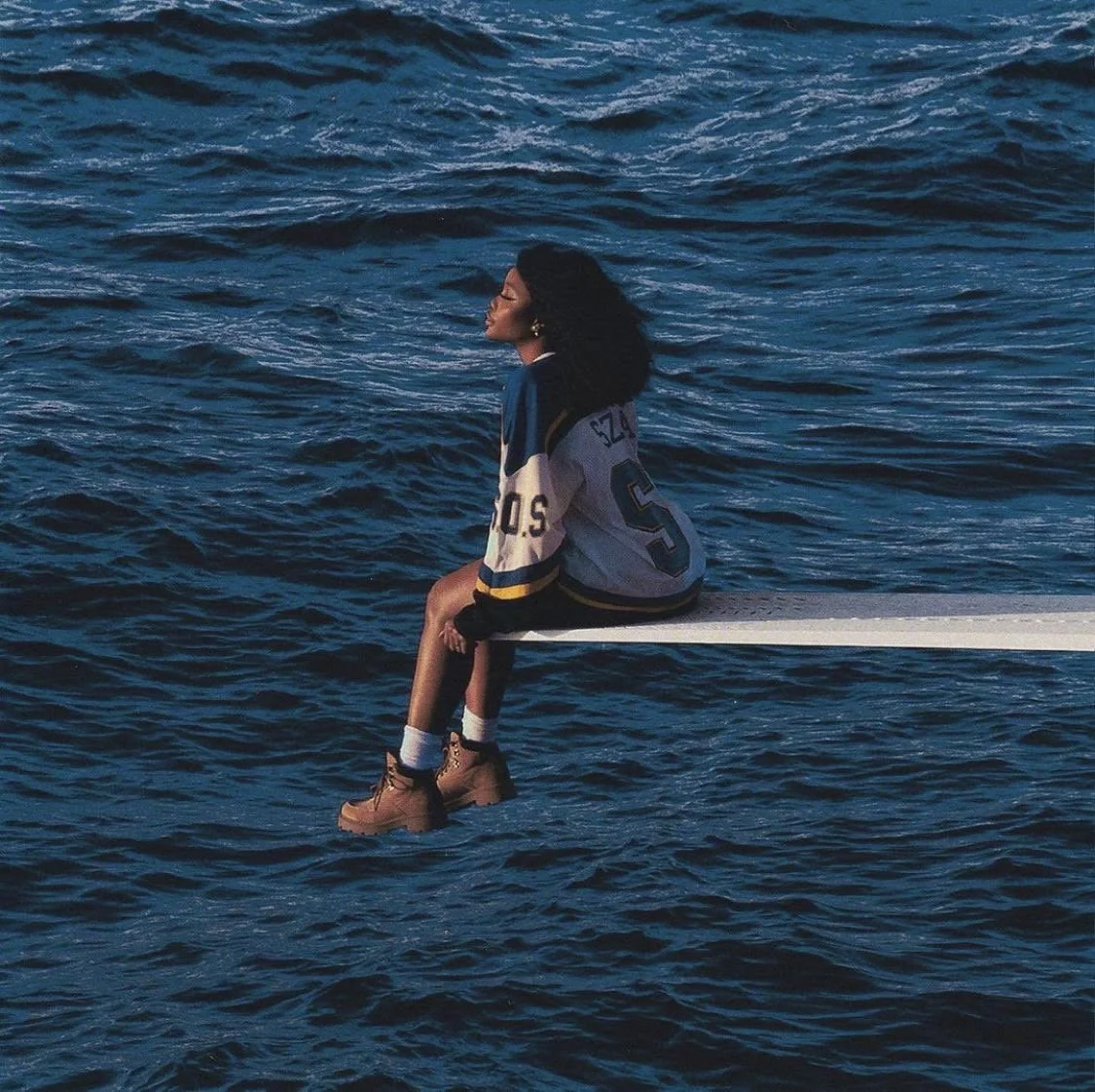
Where I’m At?
Everyone’s on a path…and I’m just out here floating - Kayla Young

You ever scroll through LinkedIn or Instagram and feel like everyone is thriving?
New job.
Promotion.
Moving to a new city.
Traveling.
Starting a business.
Meanwhile, you're just... trying to stay consistent, stay hopeful, and maybe even stay sane?
Yeah, same.
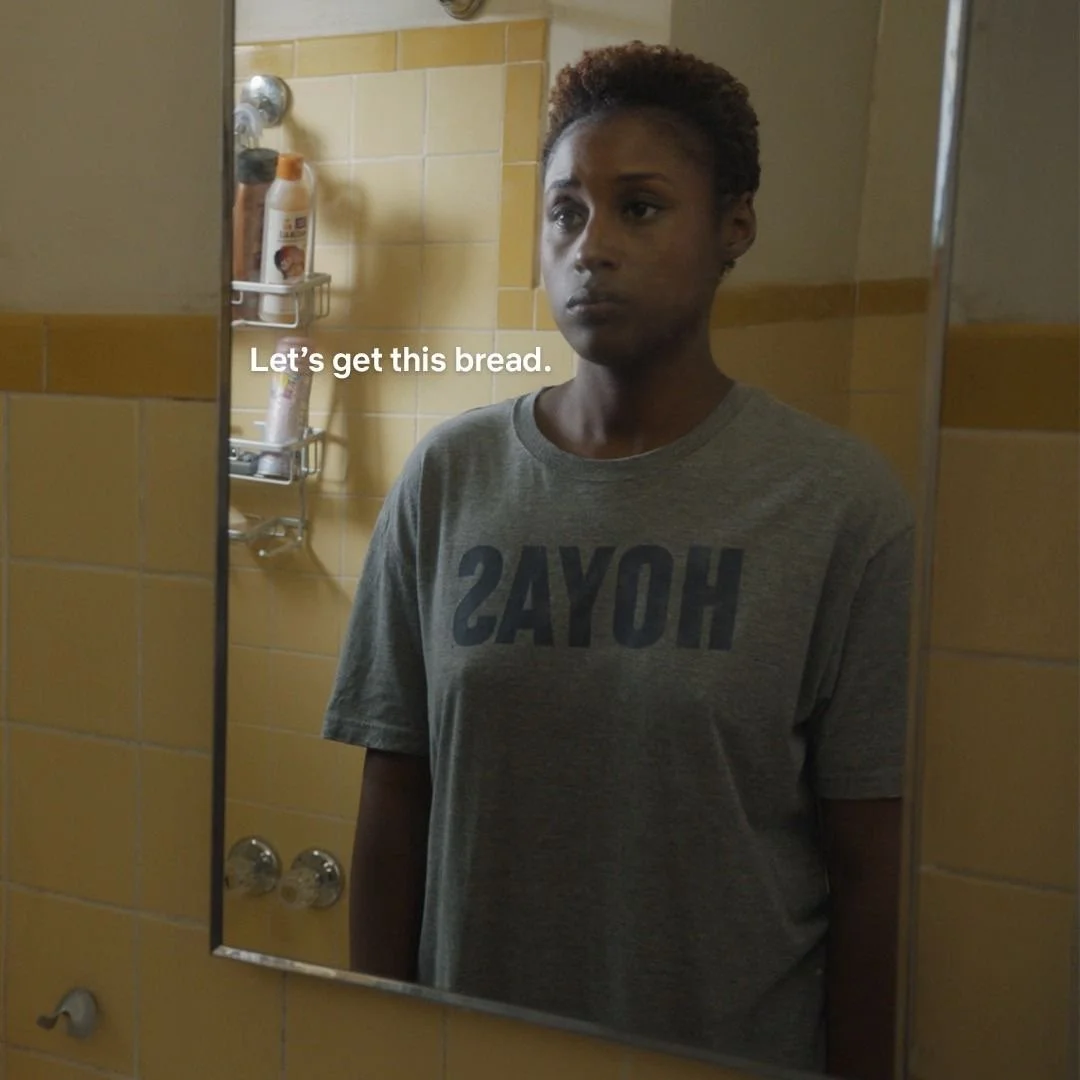
Sometimes it really feels like everyone has this clear path laid out - step-by-step, all polished and planned. And then there's me: doing my best, applying to jobs, figuring things out one deep breath at a time.
I've learned to stop comparing my timeline to someone else's highlight reel. I don't know their full story. I don't know the rejections behind their new offer or the tears behind their "I'm excited to announce" post. But I do know this:
Floating doesn't mean failing.
It might just mean you're in a season of exploring. Questioning. Pivoting. And that's okay. That's growth.
There's power in the quiet seasons.
The moments when nothing major is happening are still shaping you. You're developing resilience, patience, clarity—all the stuff you'll need when the next chapter finally unfolds.
Take breaks from the scroll!
Seriously. Social media can be inspiring, but sometimes it's just overwhelming. It's okay to log off and tune in to what you need right now.
So if you feel like you're floating - not lost, just not anchored yet - know that you're not alone. I'm right there with you. And honestly, maybe floating is just what it looks like before you find your own path.
There Is A New Bombshell In The Villa: Racism
You're not wrong queen, let's get into it!
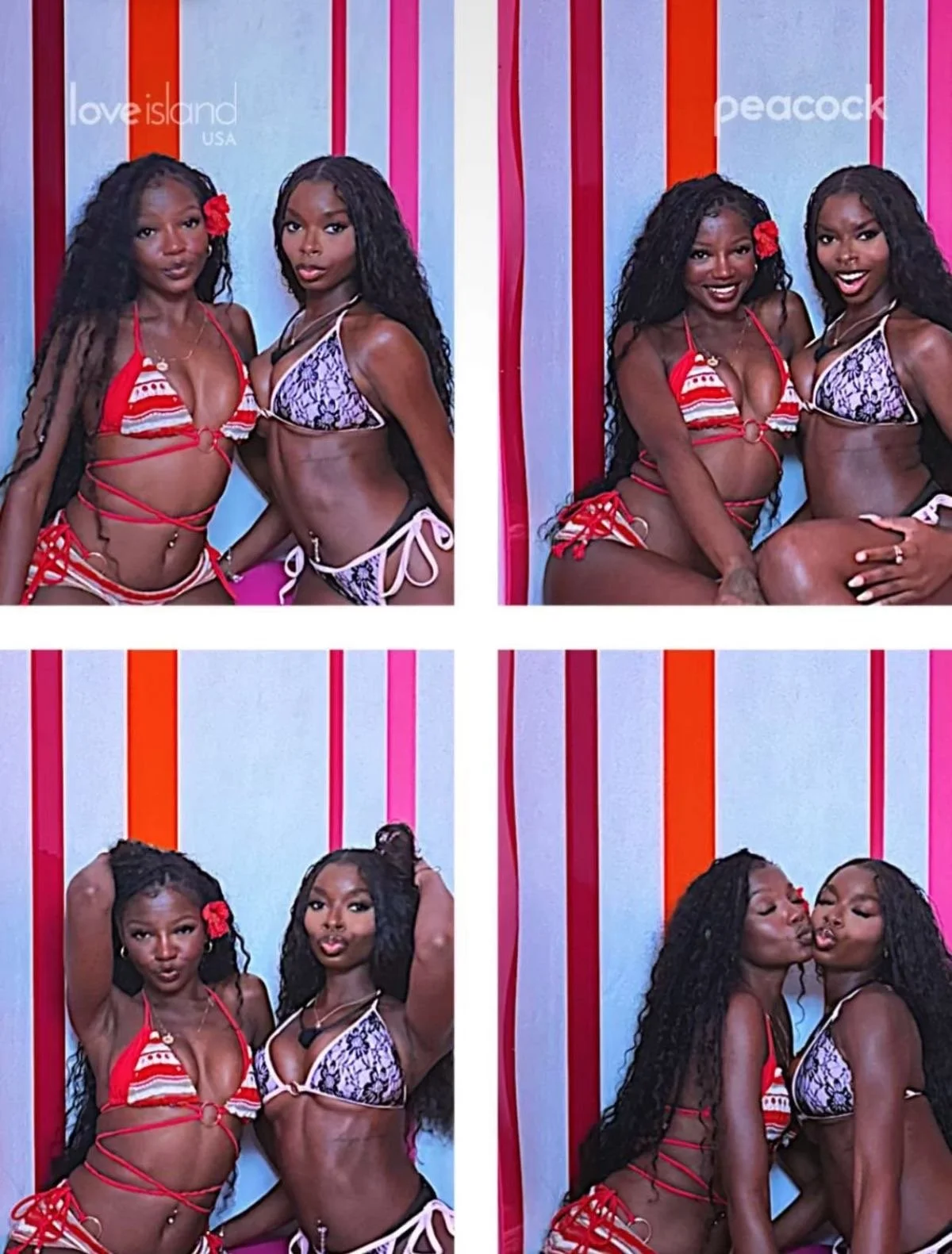
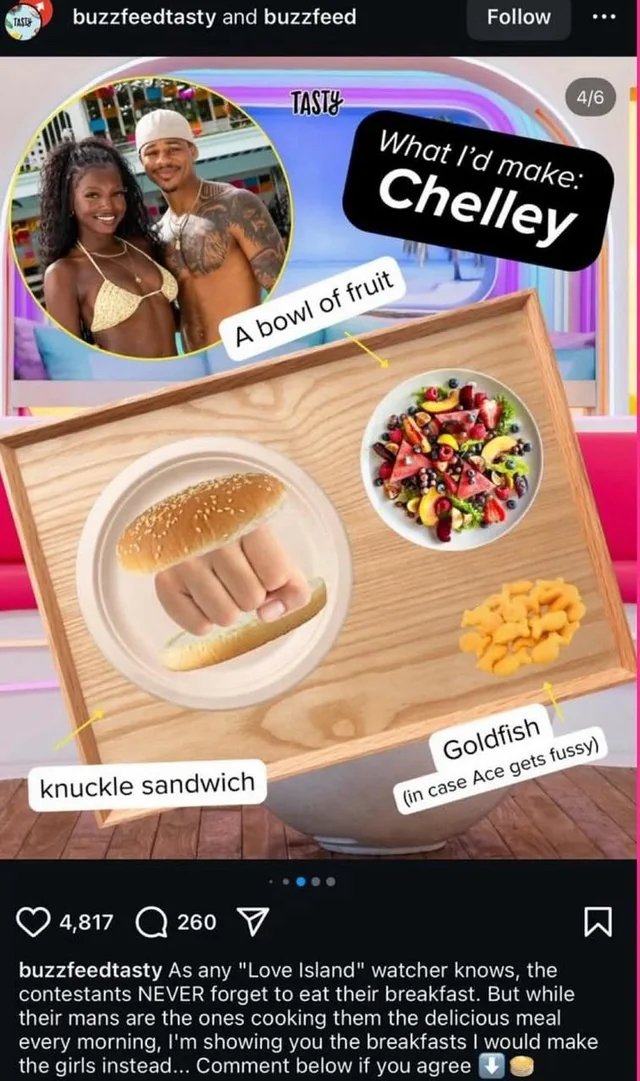
BuzzFeed, in a now-deleted Instagram carousel titled “What I Think Each Love Island Girl Deserves for Breakfast,” paired each islander with a breakfast item. BuzzFeed, in my personal opinion, has lost the plot for quite some time now. Instead of generating content that reflects the culturally conscious, post–cancel culture energy of 2020 (hey, Cierra!), they posted a tone-deaf joke that felt more like a throwback to peak 2007 microaggressions.
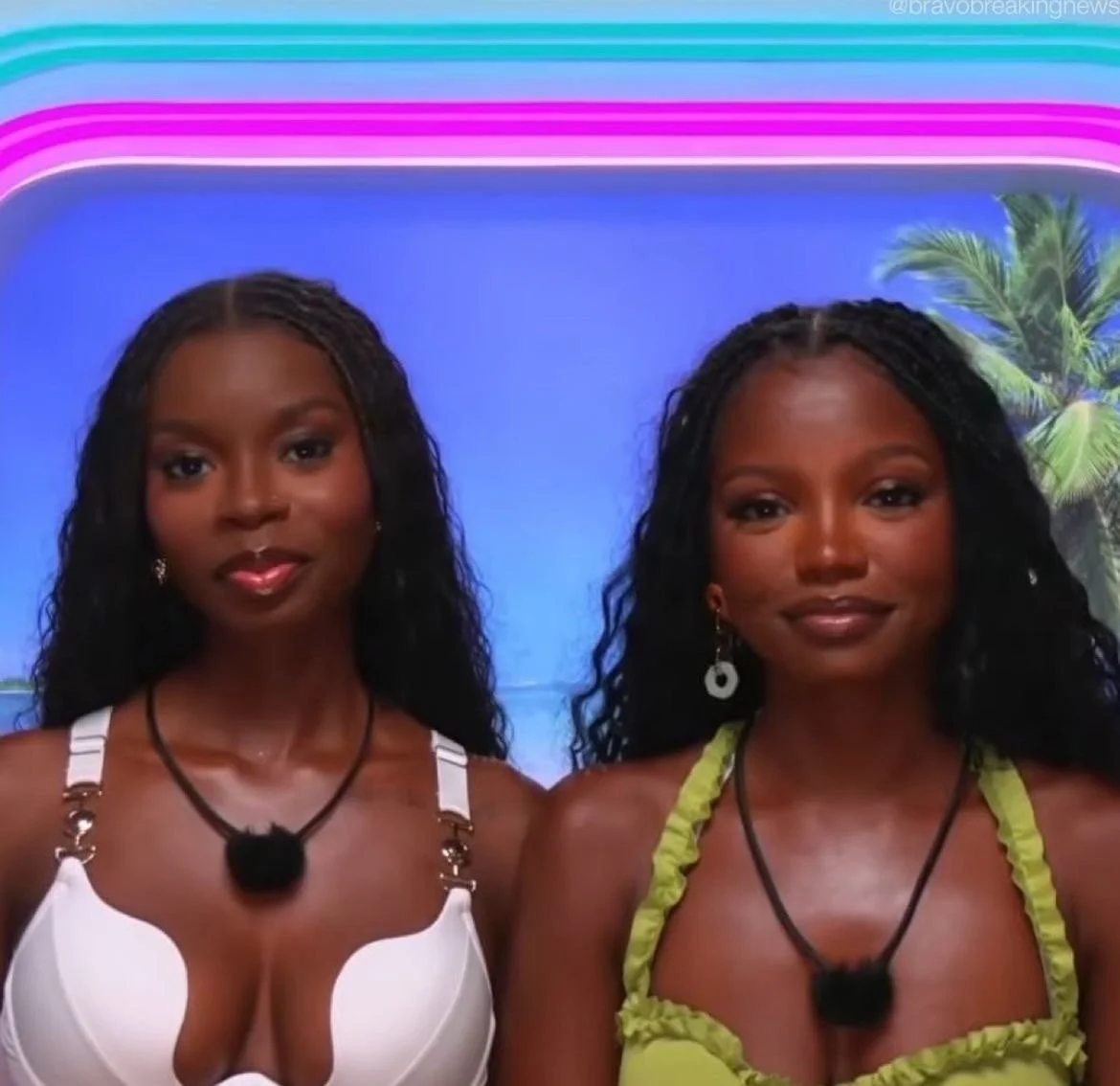
They paired Michelle “Chelley”—if you’re nasty—Bissainthe with a knuckle sandwich—a literal white fist slapped between two slices of wheat bread. You read that right: a white fist. Placed right next to the only visibly dark-skinned Black woman in the villa. This wasn’t just some quirky breakfast pairing—it was a dog whistle. A racist visual punchline dressed up as “humor.” In a post-George Floyd media landscape that claimed to prioritize inclusion and anti-racism, this was blatant regression.
Upon hearing the news, I was ready to cancel BuzzFeed as fast as Love Island producers evicted Yulissa and Cierra from that island. But this wasn’t just about BuzzFeed. This was about the larger racial dynamics of Love Island—the unspoken, often denied, racial scripts that Black women are forced to perform under, and punished when they don’t.
For context, for those who may live under a rock, Love Island USA is a show that whisks away 10 hot-and-ready (à la Little Caesars) eligible bachelors and bachelorettes, all looking for love on vacation. This season's destination? Fiji. All summer long.
With over 100 hidden cameras throughout the villa, viewers get a front row seat to everything—from milk being spit into other islanders’ mouths during hot and steamy challenges, to twerking for thee Meg the Stallion (who, by the way, is a fellow alumna of my alma mater—GO TIGERS). To the endless iterations of people becoming “closed off,” declarations of being “locked in,” constant “can I pull you for a chat?” convos, pancakes shaped in the letter C, and firepit speeches that somehow always feel like the final countdown.
And let’s not forget the Hideaway, where Amaya and Bryan will forever have “eat that kitty ” etched into my brain. All narrated by comedian Iain Stirling and hosted by Ariana Madix—who secretly wants to be a bombshell, but whose attention span is better suited for the yapping of Vanderpump’s dog.
In previous seasons, we saw the same casting patterns—Black women as the minority, mostly only “allowed in” if they were racially ambiguous or had looser curl patterns .But as soon as I saw the boho knotless bussdown, I had hope—hope that this season might birth another PPG love story. But no—Hurricane Huda’s hoodrats and America ruined everything the moment they kicked Ace and Chelly out of my villa.
Let’s talk about racial gaslighting
Now, we’ll get into the micro-aggressions served cold to my beloved Bama Barbie, Olandria, later in this rant. But we must start with Chelley—because it was this BuzzFeed article that opened my eyes to just how much America was puppeteering a racist narrative behind the scenes. Not just in editing, but in public voting, commentary, and even who was deemed “deserving” of screen time and softness.
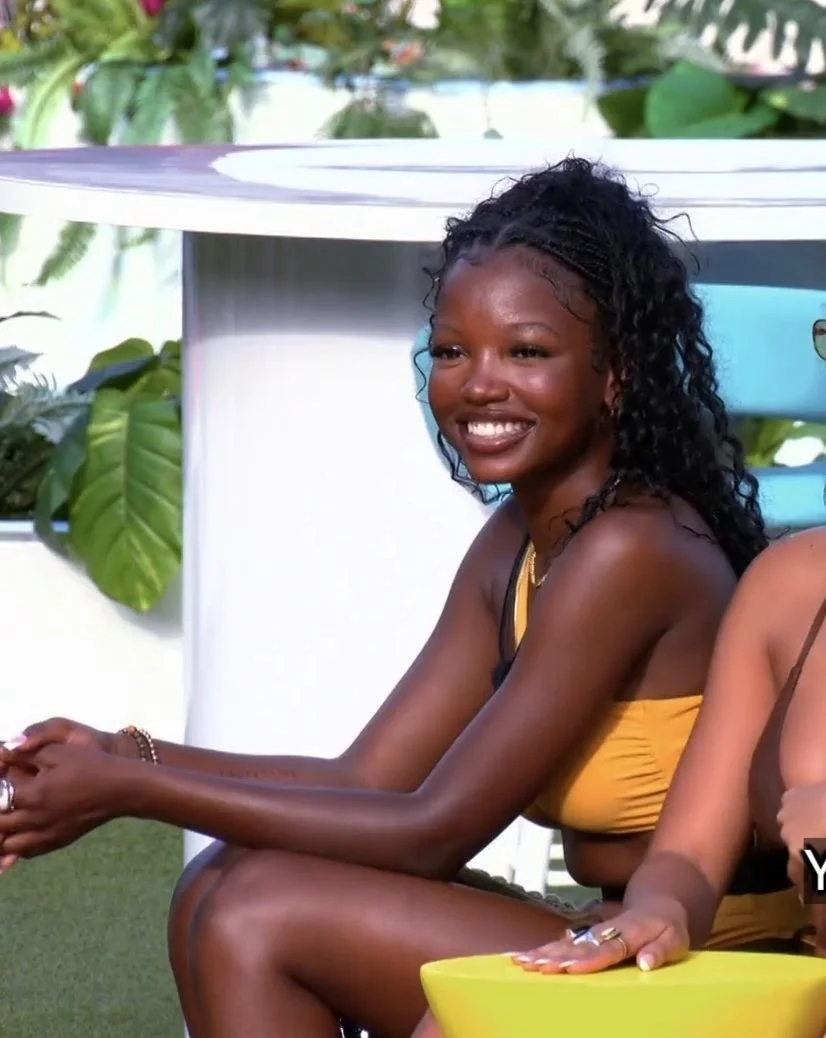
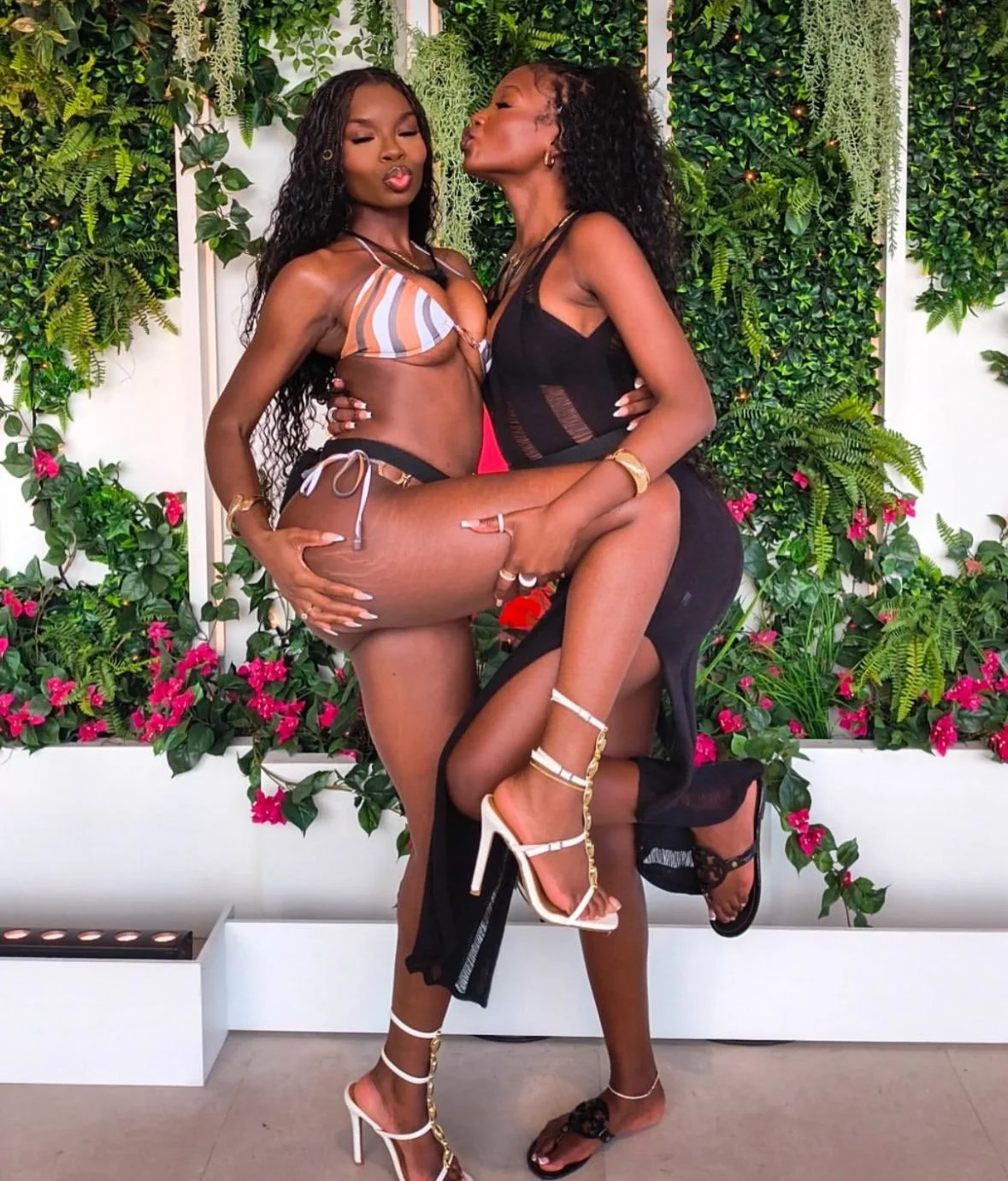
Chelley is a Haitian-American model, influencer, and entrepreneur. The kind of dark-skinned, intelligent, self-assured Black woman reality TV claims to celebrate —but never fully protects. The kind of Black woman who gets labeled “intimidating” for simply existing.
Upon entering the villa, Chelley soon realized that the guy (Ace) she met drunkenly outside the club was also in the villa looking for love, and it was then that America decided (amongst other things) that Chelley and Ace’s love story was disingenuous. We’ve all met a guy, spoken in the DMs, and stayed in contact via comments of support or likes—but when your skin is as melanated or, in Ace’s case, as tatted, the extension of grace—or even the basic understanding that correlation is not causation—is seldomly granted. Love Island this season felt more like Influencer Island. Each and every islander had crossed paths before—whether at a party, a brand event, or through mutuals online—but because Ace and Chelley had the strongest connection, their comfortability with each other and their ease became a threat.
A Black man and a dark-skinned Black woman showing mutual interest? That’s when the storylines suddenly get rewritten. Their connection wasn’t cute, it was calculated. Their comfort wasn’t romantic, it was “convenient.” This is textbook racial bias—a phenomenon where Black people, especially when seen as “too close,” are framed as schemers rather than lovers.
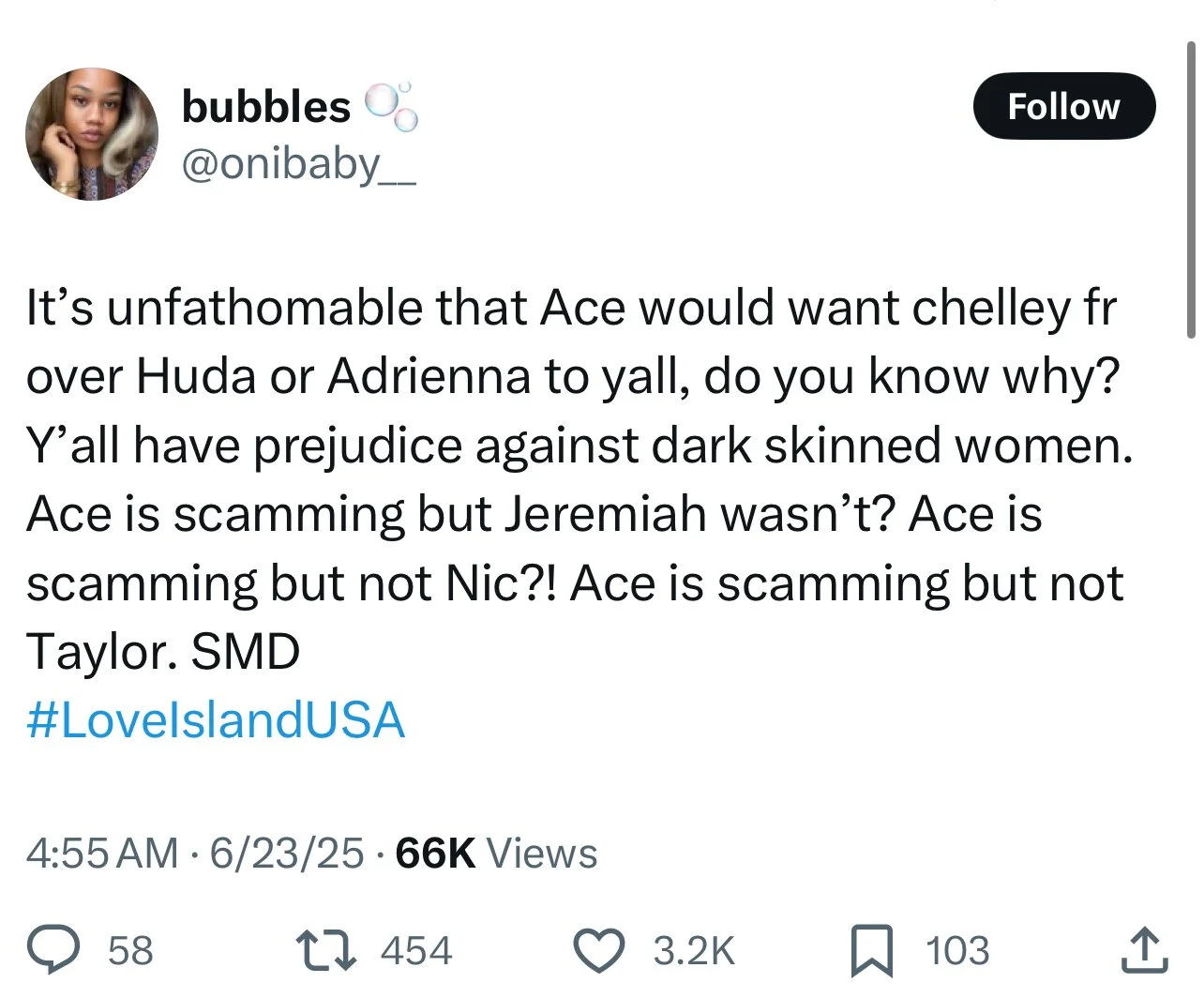
Let’s name it: Colorism.
Despite Chelley’s consistent support of her fellow Islanders, she was labeled the “mean girl” a role usually assigned to Black women who simply stand up for themselves!
Which was completely and utterly ubsurb! When Huda and Jeremiah’s went through their whirlwind of love bombing and delusion. Who was there to be a listening ear? Chelley. When Huda didn’t know whether or not she should tell Jeremiah she was a mom, who reassured her? Chelley. So it stung as a viewer to watch Huda, a racially ambiguous woman, (nose job, veneers, and all) be so blatantly disrespectful to Chelley during the heart rate challenge. Instead of mirroring the same courtesy given to her during her coupling with Jeremiah, Huda put her literal “kitty” in Ace’s face. Her “hoodrats” will say it was just a challenge but we all know the lengths in which each female islander went to avoid kissing or overtly flirting with Jeremiah during challenges. And so, Huda’s “performance” did not only increased Ace’s heart rate the most but it also lit fire to the harmful tropes beset on Black women.
In true “woe is me” fashion Huda did her lap around the villa asking each islander “did she do too much?” “Would it make it better if (I) she was ugly?” Taking no accountability whatsoever. Typical. But it was Chelley’s calm but firm response that had every Black girl cheering at TV, in a swift motion she said to Huda, “ I’ll talk to you later my emotions are too high to have this chat right now.”
Her response wasn’t aggressive. It was self-regulation—a survival skill Black women have mastered in predominantly white or racially hostile environments for decades. And still? That wasn’t enough. TikTok and X punished her for not performing the hyper-smiling, ever-patient, “strong Black woman” role white audiences are most comfortable with. That’s respectability politics, and it’s a trap.
In that moment, Chelley forever marked herself as a mature and self-aware individual in a situation full of ambiguity. Think about it: You have these emerging couples trying to find their footing, trying to establish emotional security—yet they’re constantly being thrown into challenges that toe the line of what’s appropriate in the early stages of dating. So for Chelley to clearly express her boundaries, while still speaking respectfully to Huda, was not only refreshing—it was revolutionary for reality TV.
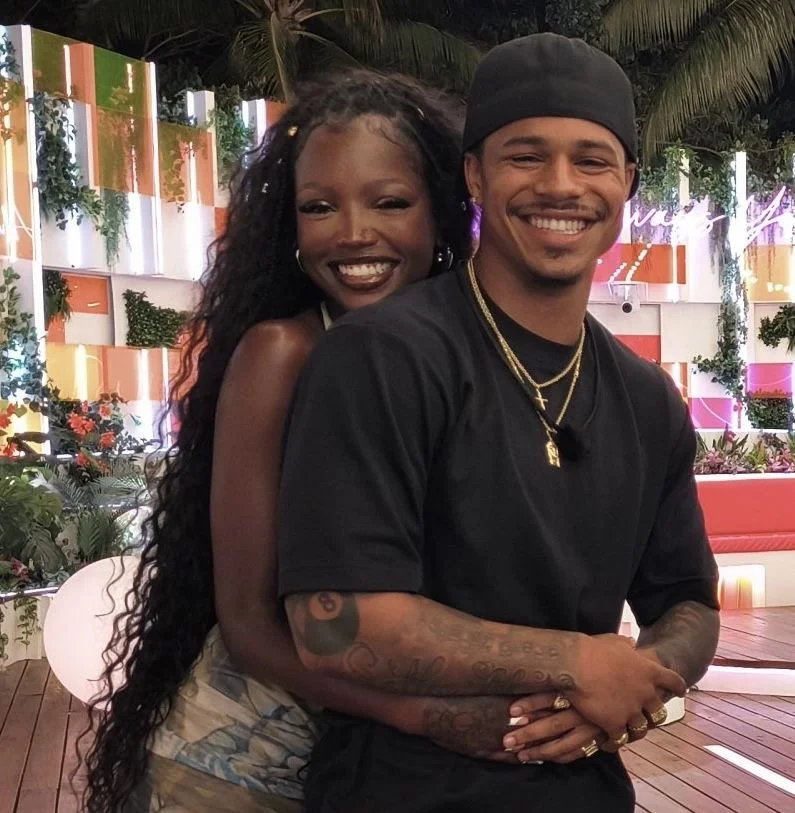
And then came Olandria
My Bama Barbie, Olandria Carthen. Like Chelley, she became America’s punching bag simply for being completely and utterly regal to look at. When Mrs. D (Bring It!—thank you for being the show that keeps on giving) said she wanted the baddest on the floor, she was most certainly talking about Miss Carthen! A Tuskegee grad from Alabama making moves in Houston, Olandria entered the villa with an aura—dare I say—a “girl’s girl” energy, which I use sparingly considering how that very term was dragged through the mud this season. Almost immediately, Olandria took a liking to Taylor. She was looking for a country-girl-meets-a-good-man love story. But let’s be real—Taylor just wasn’t giving that “kid in a candy store” feeling he claimed to be searching for.
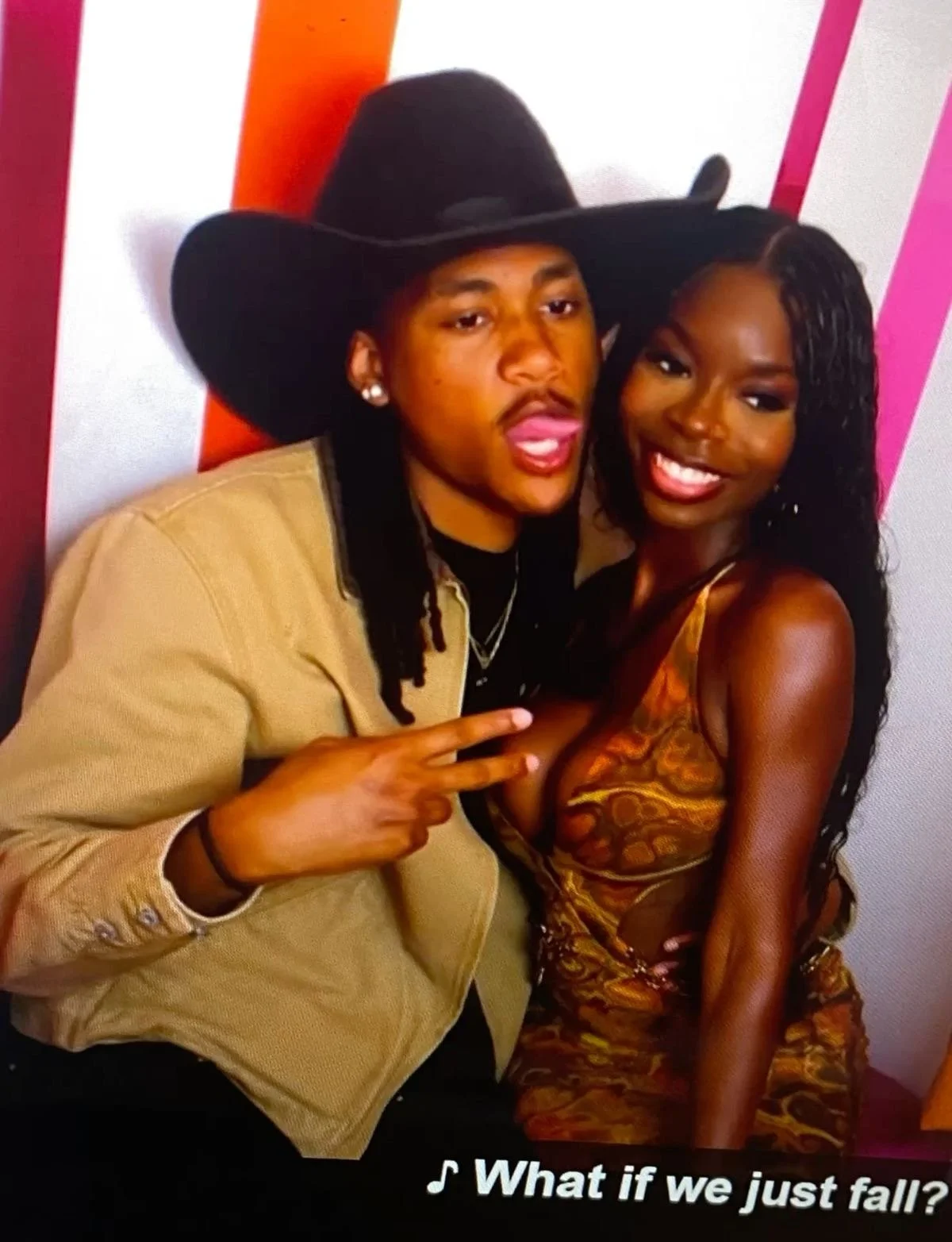
Now there is the infamous scene where he tells Ace he just wasn't that attracted to Olandria. And while that hurt to hear, I think the audience never quite felt a spark between the two either. It always felt a little… off. And when Taylor eventually chose Clark (after chasing Olandria for an entire season) we now know it was more of a scheme to stay in the villa longer than any genuine interest. Olandria had every right to check Taylor during the Standing on Business challenge—and when she did, America acted like she’d flipped a table on national television. The internet cried out that she “did too much” or was “delusional” for thinking Taylor ever liked her. But let’s not forget: we only saw one hour out of a 24-hour day. We have no idea how much Taylor was putting on, crafting a facade of love and connection, or breadcrumbing her into thinking something real was there.
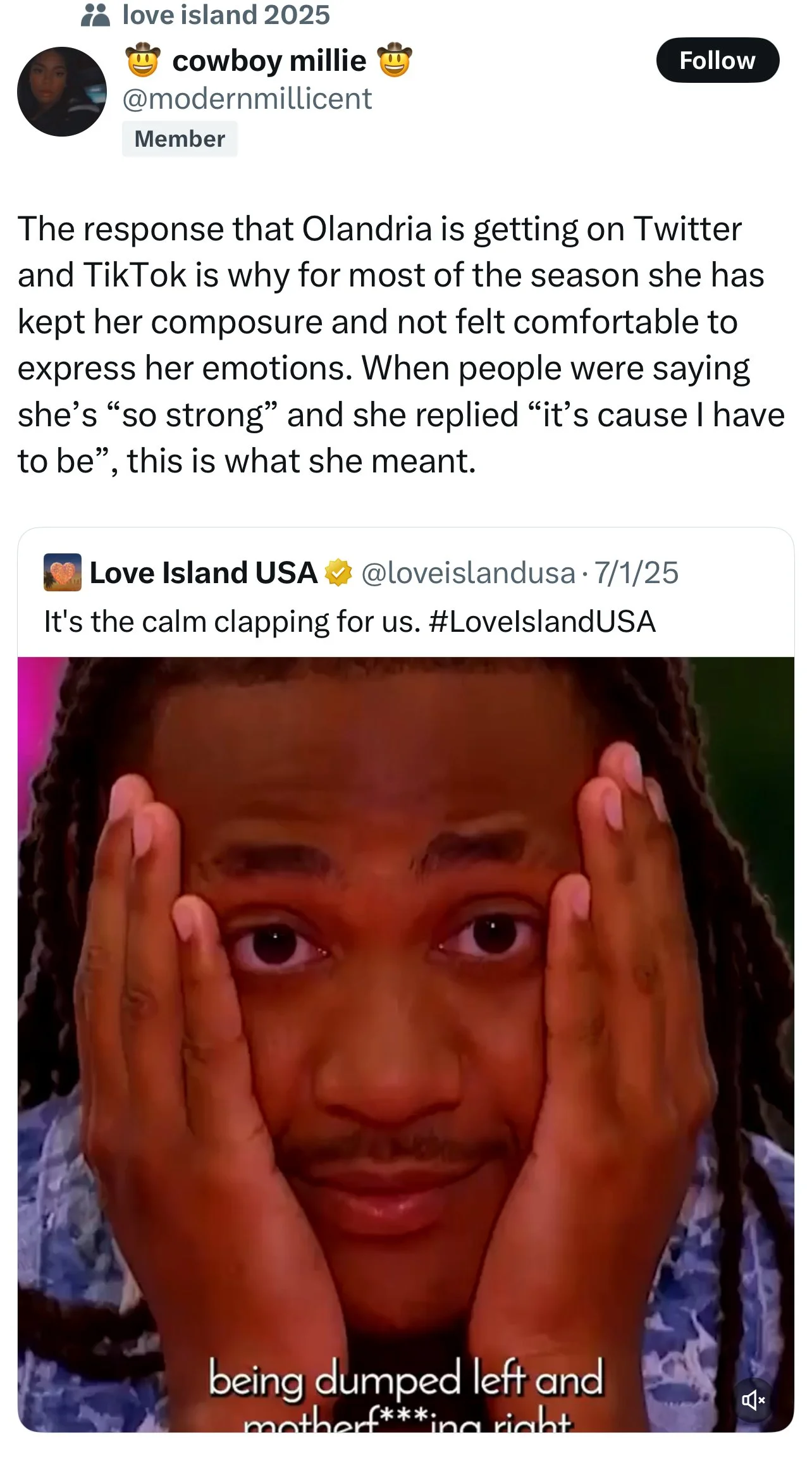
Now, of course, I am skipping over a few things, most notably Huda weaponizing her tears to paint Olandria as a villain just a few episodes prior, but it was Olandria and Taylor’s breakup that truly served as the catalyst for American racism to rear its head. After pouring so much emotional labor into a connection where she was never fully chosen, never made to feel safe or prioritized, Olandria began to move forward. Cue Nic—recently single after Cierra’s departure—and suddenly, thanks to a mix of producer orchestration and fan-fiction-level TikToks, Nicolandria was born.
TikTok loved it. Nic’s mother co-signed it. But America? Oh, America struggled. They just couldn’t wrap their pubescent minds around the fact that their Florida white boy Nic (no disrespect to the iconic Detroit hustler Rick) could genuinely be attracted to the melanated goddess that is Olandria. Revealing that truth: that desirability isn’t exclusive to white proximity, and that Black women like Olandria can and do get chosen—was too much for some viewers to handle. So instead of celebrating this unexpected pairing, they tried to discredit it. Called it forced. Called it everything but what it actually was: a soft, slow-burn romance built on emotional availability, open communication, and mutual attraction.
Because when a Black woman is finally met with tenderness, people will find every excuse to invalidate it especially when that tenderness doesn’t come in a package they expected or approved of.
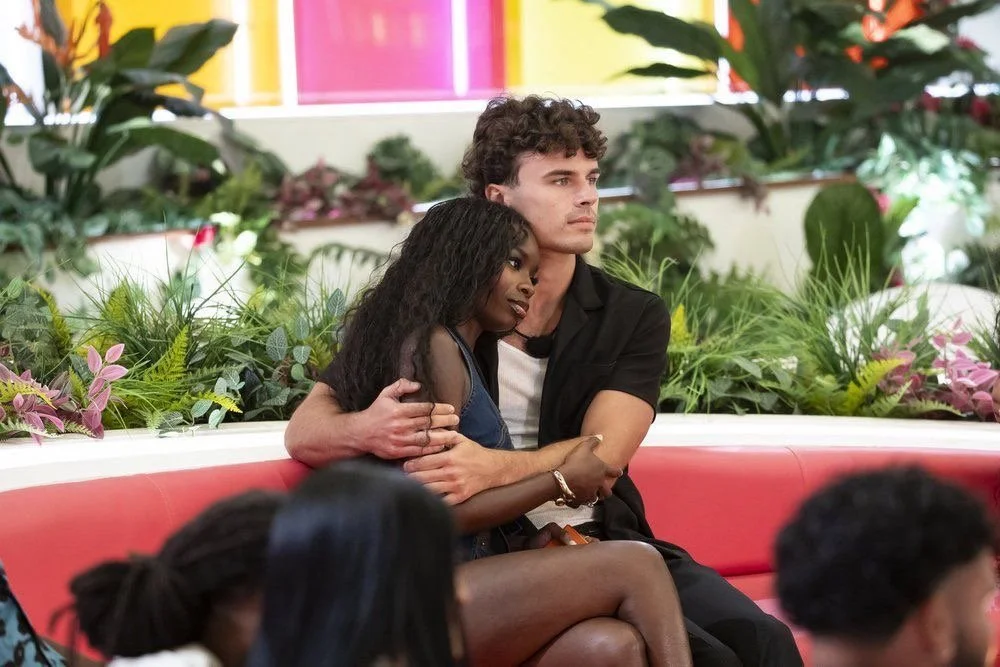
The real villain? Anti-Blackness.
What happened to Chelley and Olandria was a reflection of the uncomfortable reality that grace, softness, and complexity are still rarely afforded to Black women on reality television.
Chelley set boundaries, stayed grounded, and expressed herself with honesty, yet was labeled angry for doing what others were praised for. Olandria opened her heart, navigated rejection with dignity, and found an unexpected connection in the most tender way possible. Yet she too was met with disbelief, microaggressions, and dismissal.
Both women dared to be full human beings in a space that wanted to flatten them into tropes. And in doing so, they exposed the biases many viewers still carry and the limits of how society defines who gets to be loved loudly, gently, and without condition.
I and all of Black Twitter will be the first to say that Chelley and Olandria didn’t just play the game—they disrupted it. And for that, they deserve not just our defense, but our applause.
I’m Leaving Here With Something
People older than us love to insinuate that our generation lacks work ethic because we seek too much gratification—but honestly, what’s wrong with that?
People older than us love to insinuate that our generation lacks work ethic because we seek too much gratification, but honestly, what’s wrong with that?
If you spend an entire day preparing for a pop-up shop, it’s reasonable to expect a profit from that event, right? So why, if I post consistently on Instagram and get just two or three likes or comments, am I wrong to want more engagement? Being on a platform like Instagram and not receiving instant feedback can absolutely diminish the value of consistency. Sure, they say real work ethic is about persevering when no one’s watching, but dammit, a reshare can go a long way!
Not caring about applause for something you’re deeply passionate about is a luxury many of us creatives can’t afford our content is our livelihood.
For me, the success of my blog is deeply tethered to my mental health. While writing serves as a form of release, it’s also a source of affirmation, one I seek most from the people I aim to impress the most: all of you. This is a very toxic approach, I’m aware, but it’s hard to separate my value as a writer from the reception my work receives. I want to create something worthy of recognition. I don’t want to be just another blogger who posts without substance, I want to be remembered as a voice that matters.
Before the hysteria kicks in and you all assume I’m on the brink of depression, let me clarify: I know I matter. But this is a space I created specifically to dive into these deeper thoughts and explore them fully. That said, I’m learning to balance my need for affirmation with the reality that growth—whether in creative work, personal life, or even a platform like Instagram—isn’t always linear. Sometimes, it’s slow and painful. Sometimes, it feels invisible. But even in those moments, I’ve realized that the effort I pour into my blog, my content, and my craft is never wasted. It’s all part of building something that lasts.
Still, let’s not pretend that showing up every day doesn’t come with expectations. Whether it’s a pop-up shop, a blog post, or an Instagram reel, there’s always this unspoken hope that what I create will resonate with someone, anyone. And when it doesn’t? It’s hard not to internalize that silence as failure. It makes you question: Am I doing this right? Do people even care?
But here’s the truth I’m trying to embrace: even when the numbers don’t reflect it, the work I put into my blog matters. Even if it’s not trending or going viral, I’m leaving something behind. Something I’m proud of. Whether it’s a post that connects with one person or a reflection that helps me process my own thoughts, it’s still worth it.
So no, I’m not leaving this space empty-handed. I’m leaving here with something every time. A lesson, a breakthrough, a piece of myself that I’ve put into words. And that something is enough, even on the days when it doesn’t feel like it. Because at the end of the day, the value of my work isn’t just in how it’s received—it’s in the fact that it exists. That I created it. And that’s more than enough.